Video&A : Transforming Digital Communication Through Interactive Video
In today’s fast-paced digital world, communication methods are constantly evolving. Traditional text-based content is no longer enough to capture attention or build meaningful engagement. As a result, interactive video formats are gaining momentum, and video&a has emerged as a powerful solution. By combining video content with a question-and-answer approach, this format creates a more engaging, human, and effective communication experience.
This article explores what video&A is, how it works, and why it is becoming an essential tool across industries.
What Is Video&A?
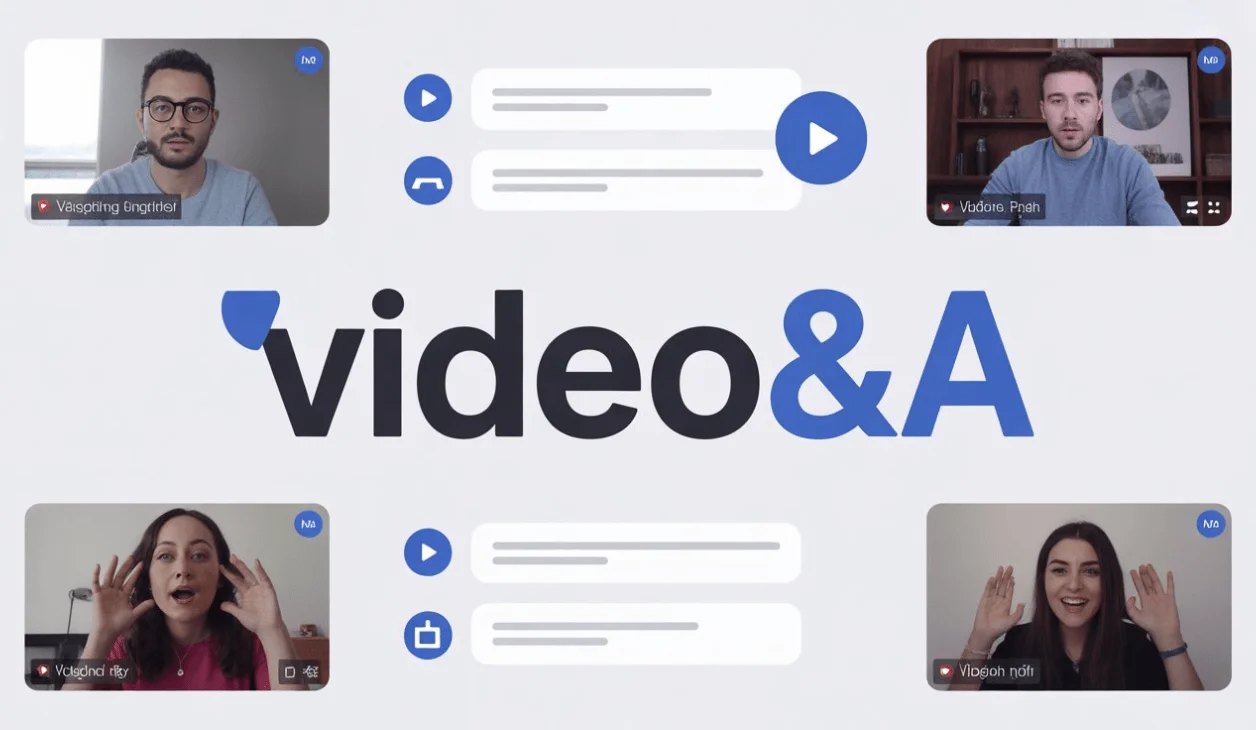
At its core, video&A is a communication format that allows users to ask questions and receive responses through video rather than plain text. Unlike static videos, this approach encourages interaction, making conversations feel more personal and authentic. Furthermore, it bridges the gap between live discussions and pre-recorded content.
Because viewers can see facial expressions, tone, and body language, the message becomes clearer and more trustworthy. Consequently, video&A is increasingly used in education, marketing, customer support, and internal team communication.
Why Video&A Matters in the Digital Era
As online audiences grow more selective, engagement has become a top priority. While blogs and emails still have value, they often lack emotional connection. Video, on the other hand, captures attention faster and keeps viewers engaged longer.
Moreover, when video is combined with an interactive Q&A format, it becomes even more effective. Instead of passively consuming content, users actively participate. This two-way interaction not only improves understanding but also builds stronger relationships between brands and audiences.
In addition, search engines favor rich, engaging content. Therefore, using interactive video formats can indirectly improve SEO performance by increasing dwell time and reducing bounce rates.
Key Benefits of Video&A
1. Enhanced Engagement
One of the biggest advantages of video&A is its ability to hold attention. People are naturally drawn to visuals, and when they can ask questions or receive tailored answers, engagement increases significantly.
2. Improved Clarity and Understanding
Complex topics can be difficult to explain through text alone. However, video allows speakers to break down ideas visually. As a result, misunderstandings are reduced, and information becomes easier to absorb.
3. Stronger Trust and Authenticity
Seeing a real person answer questions builds credibility. Viewers are more likely to trust a face and voice than anonymous text. Consequently, video&A is particularly effective for brand communication and thought leadership.
4. Time Efficiency
Although it may seem time-consuming to create videos, video&A can actually save time. Instead of answering the same questions repeatedly via email or chat, one video response can address multiple concerns at once.
Common Use Cases of Video&A
Education and Online Learning
Educators are increasingly using video&A to explain lessons, clarify doubts, and provide feedback. This method helps students feel more connected, even in remote learning environments.
Marketing and Sales
In marketing, video&A allows brands to respond to customer inquiries in a personalized way. Sales teams can address objections, explain features, and demonstrate value more convincingly through video.
Customer Support
Rather than sending long written instructions, support teams can create short video answers to common questions. This not only improves customer satisfaction but also reduces support workload.
Internal Communication
Companies use video&A for onboarding, training, and internal updates. Employees can ask questions and receive clear explanations, which improves alignment and productivity.
How Video&A Improves SEO Performance
While video&A is primarily about communication, it also plays an important role in search engine optimization. Search engines prioritize user experience, and interactive video contributes positively in several ways.
First, videos increase time spent on a page, which signals quality content. Second, interactive elements encourage user interaction, reducing bounce rates. Additionally, video transcripts and structured data can help search engines understand the content better.
When implemented correctly, video&A can support a broader content strategy and improve overall website visibility.
Best Practices for Creating Effective Video&A Content
To get the most out of this format, certain best practices should be followed.
Start by identifying common questions from your audience. This ensures relevance and usefulness. Next, keep videos concise and focused. While detail is important, overly long videos may reduce engagement.
Furthermore, maintain good video and audio quality. Clear sound and visuals enhance professionalism and viewer trust. Finally, always include captions or transcripts, as they improve accessibility and SEO.
Challenges and How to Overcome Them
Despite its benefits, video&A does come with challenges. Some people feel uncomfortable on camera, while others worry about production costs. However, these barriers are becoming easier to overcome.
Modern tools allow quick recording with minimal equipment. Additionally, authenticity matters more than perfection. A clear, honest video recorded on a smartphone can be just as effective as a professionally produced one.
Consistency is another challenge. To address this, create a simple content plan and reuse video answers across platforms whenever possible.
The Future of Video&A
Looking ahead, video&A is expected to grow even more with advancements in artificial intelligence and automation. AI-powered tools can help organize questions, suggest responses, and even personalize video content for different users.
As audiences continue to prefer interactive and visual communication, this format will likely become a standard rather than an exception.
Final Thoughts
In conclusion, video&A represents a significant shift in how we communicate online. By combining the power of video with interactive question-and-answer formats, it creates deeper engagement, clearer understanding, and stronger trust.
Whether used for education, marketing, or support, this approach offers long-term value. As digital communication continues to evolve, embracing interactive video formats can help individuals and organizations stay ahead in an increasingly competitive landscape.