
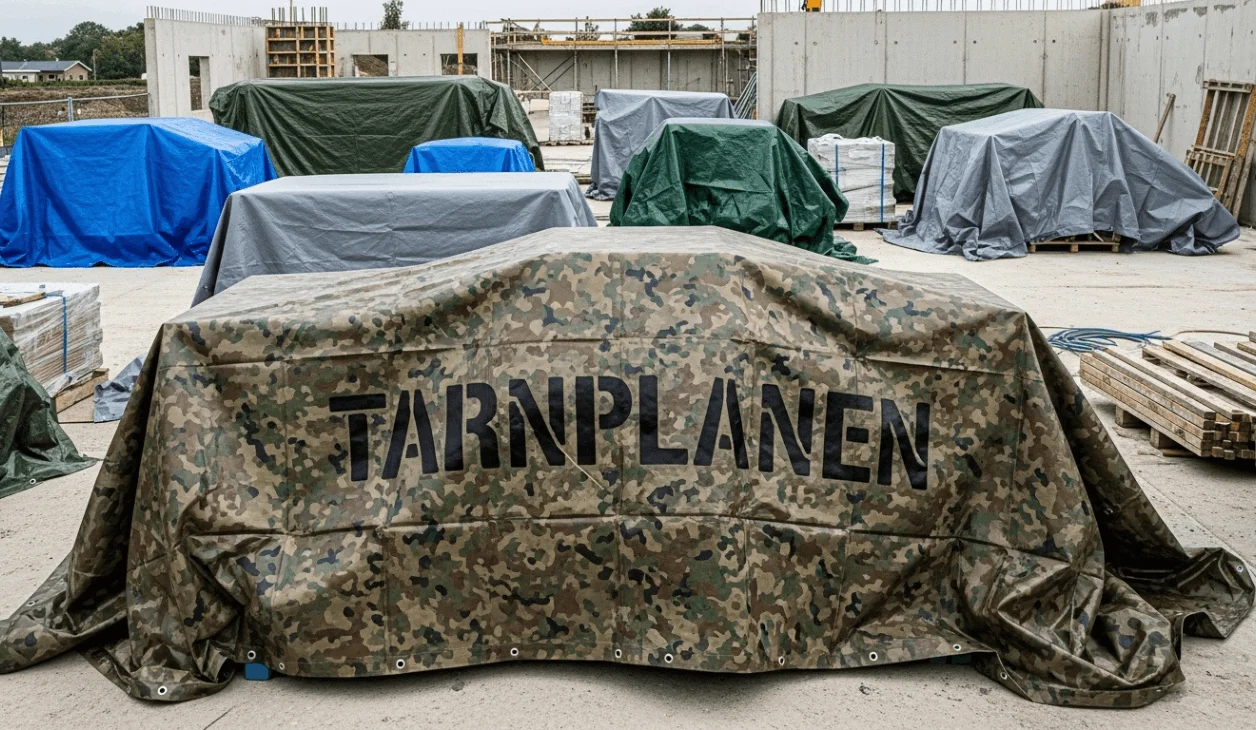
Tarnplanen: Maintenance Tips for Long-Lasting Protection
In today’s world, protecting your belongings from the elements is more important than ever. Whether you are safeguarding equipment, covering construction materials, or preparing for outdoor adventures, tarnplanen provide a versatile and reliable solution. Known for their durability and adaptability, these tarpaulins have become an essential tool for both individuals and businesses alike.
What Are Tarnplanen?
At its core, tarnplanen are heavy-duty sheets designed to shield items from rain, wind, sun, and dust. They are typically made from high-quality materials such as polyethylene, canvas, or polyester, which are often waterproof and resistant to tearing. Unlike standard covers, tarnplanen offer enhanced flexibility, allowing users to wrap, tie, or drape them over objects of varying sizes and shapes.
These tarpaulins are not limited to industrial use. Gardeners, campers, and outdoor enthusiasts frequently rely on them to protect plants, gear, and personal belongings. In addition, many models come with reinforced grommets and UV-resistant coatings, extending their lifespan even under harsh conditions.
Key Benefits of Using Tarnplanen
The popularity of tarnplanen stems from several practical benefits that make them indispensable:
-
Durability: Most tarpaulins are designed to withstand extreme weather. Their tear-resistant fabric ensures long-term protection, reducing the need for frequent replacements.
-
Waterproofing: A high-quality tarnplanen keeps your equipment dry during heavy rainfall, preventing water damage and rust.
-
Versatility: From covering vehicles to creating temporary shelters, these tarpaulins adapt to numerous applications.
-
Ease of Use: Lightweight yet strong, they are easy to transport, unfold, and secure, making them convenient for both home and professional use.
-
Cost-Effectiveness: Investing in a reliable tarnplanen saves money in the long run by protecting expensive items and reducing maintenance costs.
Different Types of Tarnplanen
Choosing the right tarnplanen depends on your specific needs. Understanding the different types can help you make an informed decision:
-
Polyethylene Tarpaulins: Lightweight and waterproof, ideal for camping, gardening, and short-term protection.
-
Canvas Tarpaulins: Made from heavy-duty fabric, they are breathable and durable, perfect for covering machinery or storing materials outdoors.
-
Polyester Tarpaulins: Often reinforced with UV-resistant coatings, these tarpaulins are excellent for prolonged outdoor use.
Each type has its advantages, so consider factors like weather exposure, weight, and intended usage before purchasing.
How to Choose the Right Tarnplanen
Selecting the perfect tarnplanen involves more than picking a random size. Here are essential considerations:
-
Size and Coverage: Measure the area or object you intend to cover. Opt for a tarpaulin that allows extra coverage to secure edges effectively.
-
Material Quality: Ensure the material is durable and suitable for your environment. Polyethylene works well for temporary use, while canvas offers long-term protection.
-
Reinforcement Features: Look for grommets, ropes, or loops to help anchor the tarpaulin securely. Reinforced edges prevent fraying and increase longevity.
-
Weather Resistance: Consider UV resistance, waterproofing, and wind durability based on your location and seasonal needs.
By evaluating these factors, you can select a tarnplanen that meets both your functional and budgetary requirements.
Practical Applications of Tarnplanen
The uses of tarnplanen extend beyond simple cover purposes. Some popular applications include:
-
Camping and Outdoor Activities: Create makeshift tents or protective ground sheets for camping trips.
-
Vehicle Protection: Shield cars, motorcycles, and bicycles from dust, rain, and sun exposure.
-
Construction Sites: Keep building materials dry and prevent debris from spreading.
-
Gardening and Agriculture: Protect plants, soil, and equipment from adverse weather conditions.
-
Emergency Situations: Use as temporary shelters or protective barriers during floods or storms.
With so many versatile applications, it’s no wonder tarnplanen are a staple in households, businesses, and outdoor settings alike.
Maintenance Tips for Tarnplanen
Proper maintenance ensures that your tarnplanen lasts longer and continues to provide reliable protection. Consider these tips:
-
Regular Cleaning: Remove dirt, leaves, and debris to prevent mold and wear. Mild soap and water usually suffice.
-
Proper Storage: Fold or roll the tarpaulin and store it in a dry area when not in use. Avoid prolonged exposure to sunlight to reduce fading.
-
Inspect for Damage: Check for tears or worn-out edges regularly. Repair minor damage promptly using patches or tape designed for tarpaulins.
-
Secure Properly: Always anchor your tarpaulin with ropes or bungee cords to prevent wind damage.
By following these simple steps, your tarnplanen can remain functional for years, providing continuous protection.
Conclusion
Investing in a high-quality tarnplanen is a smart decision for anyone seeking durable, versatile, and cost-effective protection. Whether for camping, gardening, vehicle cover, or construction, these tarpaulins provide unmatched reliability. By understanding the types, benefits, and maintenance tips outlined above, you can maximize the lifespan of your tarpaulin while ensuring your belongings remain safe.
Ultimately, tarnplanen are more than just protective sheets—they are an essential tool that combines practicality, durability, and convenience. Choosing the right tarpaulin today can save time, money, and effort tomorrow.