
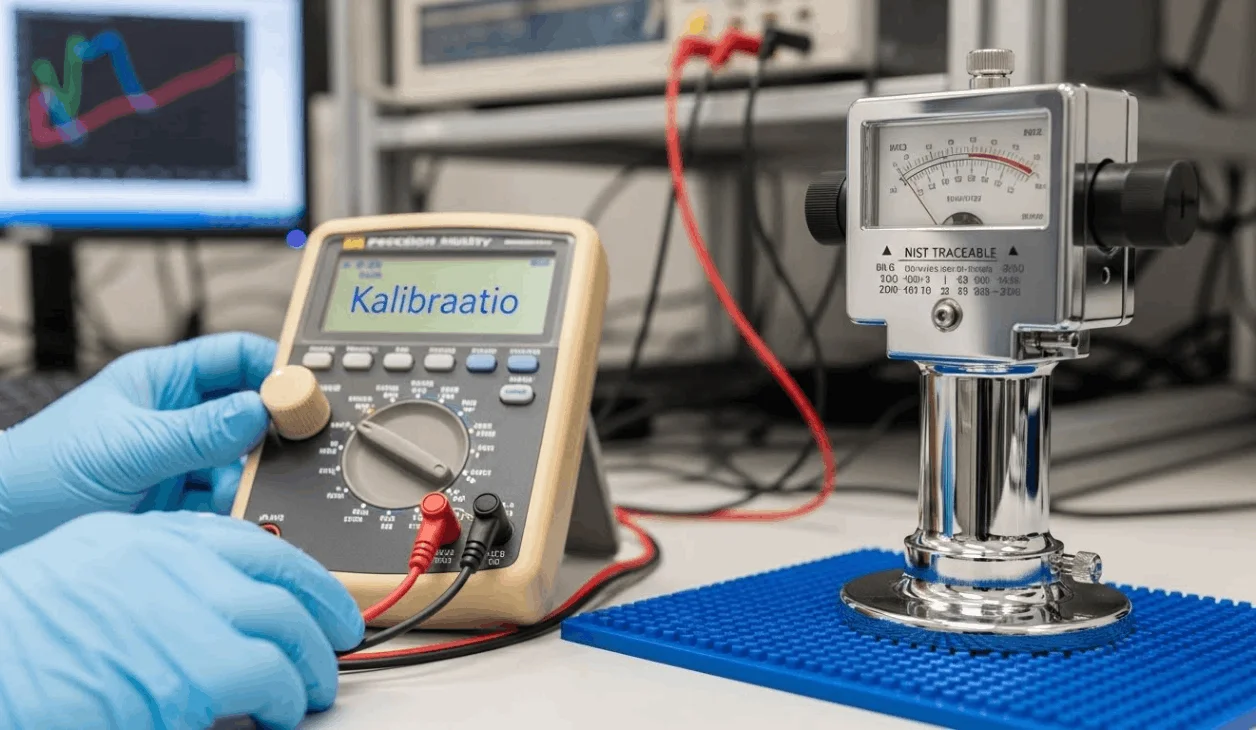
Kalibraatio Basics: How Calibration Improves Measurement Accuracy
In today’s technology-driven world, precision is more important than ever. From manufacturing plants to healthcare facilities, accurate measurements play a crucial role in safety, quality, and efficiency. This is where kalibraatio becomes essential. Without proper calibration, even the most advanced equipment can produce unreliable results, leading to costly errors and reduced performance.
This article explores what kalibraatio means, why it is important, how it works, and where it is most commonly applied. By the end, you will clearly understand why calibration is a foundation of reliable measurement systems.
What Is Kalibraatio?
Kalibraatio refers to the process of comparing a measuring instrument with a recognized standard to ensure its accuracy. Over time, instruments can drift due to environmental factors, regular usage, or mechanical wear. As a result, measurements may slowly become inaccurate.
Through calibration, deviations are identified and corrected, allowing instruments to deliver consistent and trustworthy results. In simple terms, kalibraatio ensures that “what you measure” truly reflects reality.
Why Kalibraatio Is So Important
Accurate measurement is not just a technical requirement; it directly impacts decision-making. Therefore, calibration plays a critical role across multiple sectors.
First, it ensures quality control. In manufacturing, even a small measurement error can result in defective products. By maintaining calibrated equipment, companies can meet strict quality standards.
Second, it improves safety. In industries such as aviation, healthcare, and energy, incorrect measurements can lead to serious risks. Proper calibration minimizes these dangers and supports compliance with safety regulations.
Finally, kalibraatio helps reduce costs. Although calibration requires time and resources, it prevents expensive rework, product recalls, and system failures. In the long run, it is a cost-effective practice.
How the Calibration Process Works
Although the exact method may vary depending on the instrument, the calibration process generally follows a structured approach.
First, the device under test is compared against a reference standard that is more accurate. These standards are usually traceable to national or international measurement systems.
Next, the differences between the instrument and the standard are recorded. If the deviation exceeds acceptable limits, adjustments are made. In some cases, software corrections are applied instead of physical changes.
Finally, documentation is completed. Calibration records are essential because they provide proof of accuracy and compliance. Moreover, they help track performance over time and plan future calibrations.
Common Industries That Rely on Kalibraatio
Kalibraatio is widely used across various industries, each with its own specific requirements.
Manufacturing and Engineering
In production environments, measuring tools such as calipers, pressure gauges, and temperature sensors must remain accurate. Calibration ensures product consistency and reduces waste.
Healthcare and Medical Devices
Medical equipment like blood pressure monitors, imaging machines, and laboratory instruments require precise calibration. Even minor inaccuracies can affect diagnoses and patient safety.
Laboratories and Research
Scientific research depends heavily on reliable data. Therefore, laboratory instruments are frequently calibrated to maintain experimental integrity and reproducibility.
Energy and Utilities
In power plants and utility services, measurement accuracy affects efficiency and regulatory compliance. Calibration helps maintain system stability and performance.
Types of Calibration
There are several types of calibration methods, depending on application and accuracy needs.
- Mechanical calibration focuses on physical measurements such as force, pressure, and mass.
- Electrical calibration involves instruments measuring voltage, current, and resistance.
- Temperature calibration ensures sensors and thermometers provide correct readings.
- Software-based calibration corrects measurement errors through digital adjustments.
Each method serves a specific purpose, yet all aim to ensure dependable measurement outcomes.
How Often Should Calibration Be Performed?
Calibration frequency depends on multiple factors. These include the type of instrument, usage intensity, operating environment, and industry regulations.
For example, equipment used daily in harsh conditions typically requires more frequent calibration. On the other hand, rarely used instruments may need it less often. Many organizations establish calibration schedules based on manufacturer recommendations and historical performance data.
Regular kalibraatio not only ensures accuracy but also extends the lifespan of equipment.
The Role of Standards and Traceability
One key aspect of calibration is traceability. This means that measurement results can be linked back to recognized standards through an unbroken chain of comparisons.
International standards organizations provide guidelines that help maintain consistency worldwide. As a result, measurements taken in different locations remain comparable and reliable.
Traceability also supports audits and certifications, which are especially important in regulated industries.
Benefits Beyond Accuracy
While accuracy is the primary goal, kalibraatio offers additional benefits. It builds trust with customers, strengthens brand reputation, and demonstrates commitment to quality.
Moreover, calibrated instruments improve operational efficiency. When measurements are reliable, processes run smoothly, and fewer adjustments are needed. This leads to better productivity and improved outcomes.
Conclusion
Kalibraatio is more than a technical procedure—it is a vital practice that supports accuracy, safety, and quality across countless industries. By ensuring that measuring instruments perform as intended, calibration helps organizations avoid errors, reduce risks, and maintain compliance.
As technology continues to advance, the importance of reliable measurement will only grow. Therefore, investing in regular calibration is not optional; it is essential for long-term success and credibility.
By understanding and applying kalibraatio correctly, businesses and professionals can confidently rely on their measurements and make better-informed decisions every day.