
How Accurate Cost Planning and Technical Drawings Shape Successful Building Projects
Every construction challenge starts long before machinery arrives on site. Behind the scenes, specialists meticulously paint to research expenses, increase specific plans, and create distinct drawings that manage the whole production system. Without this foundation, even the most promising projects can spiral into delays, disputes, and financial losses.
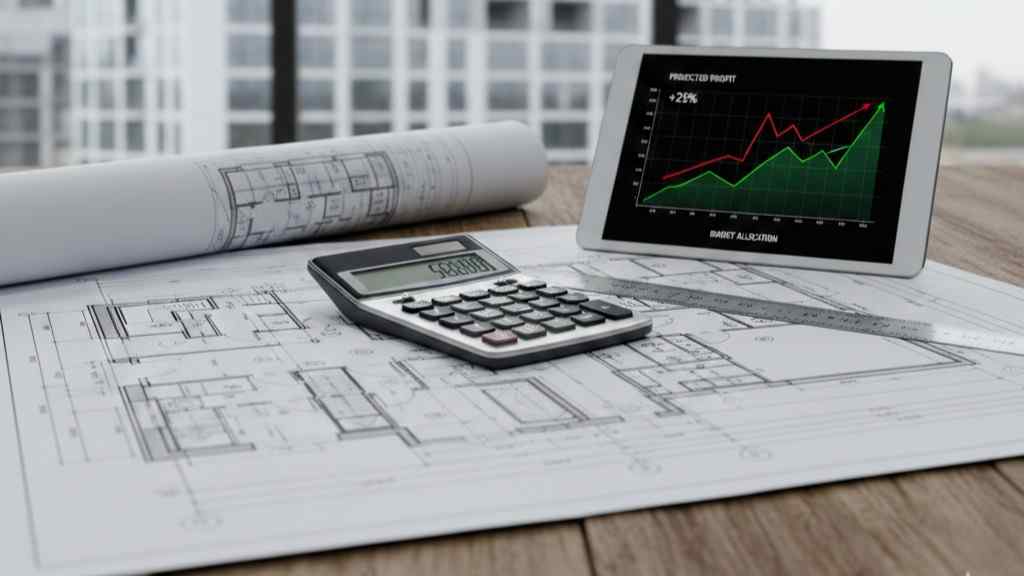
Accurate cost planning—supported by Construction Estimating Services—guarantees that sources are allotted accurately and that stakeholders understand the real economic scope of the mission. At the same time, technical drawings translate ideas into clean instructions that developers can follow with confidence. Together, these factors shape the blueprint for performance, high quality, and long-term durability.
In today’s fast-paced construction environment, where projects should maintain stability, pace, protection, and sustainability, relying on guesswork is not a choice. Developers, contractors, and traders more and more depend on experts making plans and documentation to lessen dangers and supply predictable results. The sections underneath explore how price evaluation and technical precision form a hit building project from idea to crowning glory.
The Critical Role of Early Cost Expertise in Project Success
One of the primary predominant steps in any production challenge is determining how much it’ll cost — not just more or less, but correctly. Professional estimators analyze architectural plans, specifications, materials, labor necessities, and marketplace situations to supply distinct monetary projections.
This early know-how enables stakeholders to decide whether or not a challenge is possible before committing full-size resources. It also supports higher financing choices, as creditors and traders require dependable fee facts to evaluate risk. When budgets are constructed on correct calculations, tasks are much less likely to stumble upon investment gaps midway through creation.
Moreover, unique fee planning allows smarter design choices. If certain materials or functions exceed the price range, adjustments can be made early without compromising structural integrity or functionality. This proactive technique prevents highly priced redesigns later.
Another key gain is transparency.
Minimizing Financial Risks Before Construction Begins
Financial uncertainty is one of the greatest threats to production achievement. Unexpected price increases, supply chain disruptions, or scope modifications can quickly push tasks over budget. Thorough pre-production analysis facilitates becoming aware of those dangers and prepares mitigation techniques.
Accurate cost plans also help contingency allocation — putting aside budget to address unexpected situations without derailing the project. This protection net is vital for preserving development when unexpected troubles arise.
In addition, specific budgeting improves procurement by making plans. Knowing precisely what materials and offerings are required lets in groups barter for higher contracts, schedule deliveries correctly, and avoid costly last-minute purchases.
Leveraging Industry Expertise for Reliable Cost Frameworks
Large or complex tasks regularly require specialized understanding that goes beyond in-house abilities. Many builders turn to experienced Construction Estimating Companies to provide a complete value analysis and help with making plans.
These businesses carry standardized methodologies, advanced software program tools, and access to significant value databases. Their experience across multiple initiatives allows them to identify capacity issues that much less skilled teams would possibly forget about.
Reliable price frameworks also facilitate better decision-making at some point in the assignment lifecycle. When correct facts are to be had, managers can evaluate alternatives, alter schedules, and optimize aid allocation with self-belief.
Enhancing Coordination Across Multiple Stakeholders
Construction tasks contain several members—architects, engineers, contractors, suppliers, regulators, and clients. Coordinating those businesses requires clean communication and constant facts.
Detailed cost plans serve as a common reference factor for all stakeholders. It clarifies economic responsibilities, undertaking scope, and overall performance expectations, decreasing misunderstandings and disputes.
Regular updates and transparent reporting similarly strengthen collaboration. When stakeholders are knowledgeable about development and potential challenges, they can respond proactively rather than reactively. This openness fosters belief and keeps the task moving ahead smoothly.
Transforming Design Concepts Into Precise Build Instructions
While cost plans determine what may be built, technical drawings decide how it will likely be constructed. Professional CAD drafting services convert architectural ideas into distinctive plans that explain dimensions, substances, structural components, and installation techniques.
These drawings take away ambiguity on the development web page. Builders understand precisely in which each detail belongs, reducing errors and transforming. Computer-aided drafting also permits fast modifications, ensuring that plans continue to be accurate even as assignment necessities evolve.
Precise drawings additionally support compliance with building codes and regulations. Authorities require targeted documentation to approve lets in, and excellent plans can boost this method extensively. By ensuring accuracy and completeness, technical documentation enables projects to progress without unnecessary obstacles.
Supporting Long-Term Performance and Maintenance
The value of exact drawings extends properly beyond the task of completion. Accurate documentation serves as a reference for upkeep teams, allowing them to find utilities, understand construction systems, and plan maintenance correctly.
High-quality technical plans additionally make contributions to safety and sturdiness. Proper installation based on specific commands reduces the chance of structural troubles, gadget failures, or expensive retrofits in the future.
Furthermore, comprehensive documentation—supported by a dependable Construction Estimating Service—enhances the price. Investors and customers view properly documented buildings as lower-risk belongings due to the fact that they indicate professional control and transparency during improvement.
Final Thoughts
Successful creation initiatives are never the result of risk. They are the outcome of cautious coaching, knowledgeable choice-making, and meticulous execution. Accurate fee-making plans present the economic clarity needed to allocate assets successfully, while specified technical drawings translate imagination into fact.
As the construction industry becomes increasingly complicated, the significance of professional planning and documentation will continue to grow. Projects that spend money on these foundations are many times more likely to achieve their desires, satisfy stakeholders, and stand the test of time.
FAQ’s
1. Why is accurate price planning vital in production?
It allows determining challenge feasibility, steady funding, allocating assets effectively, and preventing price range overruns.
2. How do technical drawings greatly enhance construction?
They offer clean commands for builders, lowering errors, rework, and miscommunication while ensuring compliance with standards.
3. Can distinctive planning lessen task delays?
Yes. By identifying risks early and coordinating stakeholders effectively, thoroughly making plans minimizes disruptions at some point of production.
4. Do correct plans gain in constructing preservation after the finishing touch?
Absolutely. Detailed documentation facilitates maintenance groups to understand systems, perform repairs efficac
iously, and plan destiny improvements.