Dichosity: Embracing the Symmetry of Conflicting Elements
Language is full of interesting and evolving terms that help people describe complex ideas. One such term gaining curiosity online is dichosity. Although it may sound unfamiliar to many readers, understanding the concept behind dichosity can provide deeper insight into how contrasts and divisions influence communication, thinking, and analysis.
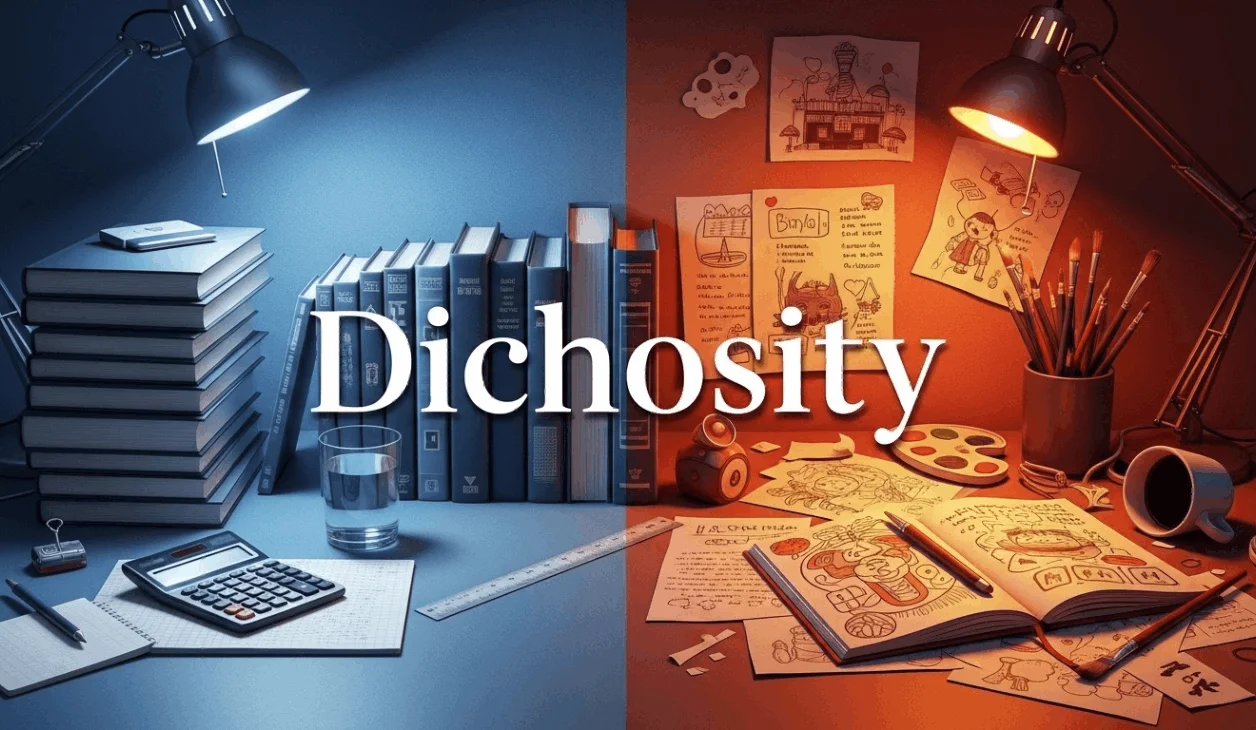
In simple terms, dichosity refers to the presence of two contrasting or opposing elements within a single concept, idea, or system. It highlights how two sides of a subject can exist simultaneously while presenting different perspectives. Because of this, dichosity is often discussed in philosophy, psychology, language studies, and even digital discussions.
What Is Dichosity?
At its core, dichosity describes a situation where something is divided into two parts that are different or opposite in nature. These two sides may conflict, complement each other, or simply represent alternative viewpoints.
For example, many ideas in life contain a form of Duality .Concepts such as success and failure, optimism and pessimism, or logic and emotion demonstrate how two contrasting forces shape understanding. Rather than existing independently, these opposing aspects often interact and influence each other.
As a result, Duality becomes a useful way to analyze situations where balance or conflict between two sides plays a key role.
The Origin and Linguistic Background of Dichosity
Although the exact historical origin of dichosity is not widely documented, the word appears to be connected to the concept of “dichotomy.” A dichotomy traditionally refers to a division into two contrasting groups or categories. Therefore, Duality can be understood as a similar linguistic formation emphasizing the state or quality of having two opposing elements.
Over time, digital communities and online discussions have adopted and reshaped many terms. In some contexts, Duality is used informally to describe situations that involve dual perspectives or conflicting interpretations.
Because language constantly evolves, words like dichosity sometimes gain meaning through usage rather than strict dictionary definitions.
Why Dichosity Matters in Thinking and Analysis
Understanding dichosity can significantly improve the way people analyze complex topics. Many real-world situations cannot be explained from a single perspective. Instead, they involve multiple viewpoints that interact with each other.
For instance, when evaluating a social issue, one side might emphasize economic impact while the other focuses on ethical concerns. Recognizing this Duality allows individuals to explore both perspectives instead of favoring only one.
Furthermore, acknowledging Duality encourages critical thinking. It pushes people to ask deeper questions such as:
-
Why do these two sides exist?
-
How do they influence each other?
-
Is there a possible balance between them?
By exploring these questions, people gain a more comprehensive understanding of the topic at hand.
Examples of Dichosity in Everyday Life
The idea of dichosity is not limited to academic discussions. In fact, it appears frequently in everyday life. Several common situations illustrate how Duality operates in practical contexts.
1. Work and Personal Life
One clear example is the balance between professional responsibilities and personal well-being. Many individuals experience dichosity when trying to manage career goals while maintaining family time and personal health.
2. Technology and Privacy
Modern technology offers convenience and connectivity. However, it also raises concerns about data privacy and security. This technological dichosity highlights the tension between innovation and protection.
3. Tradition and Modernization
Societies often face choices between preserving cultural traditions and embracing modern developments. This cultural dichosity reflects how communities attempt to maintain identity while adapting to change.
These examples demonstrate that Duality is present in many aspects of human experience.
Dichosity in Communication and Debate
Another important area where dichosity appears is communication. Conversations, debates, and discussions often involve two opposing viewpoints. While disagreement may seem negative at first, it can actually lead to deeper understanding.
When individuals recognize Duality during a debate, they are more likely to consider the reasoning behind each perspective. This approach promotes constructive dialogue rather than conflict.
Moreover, acknowledging Duality helps people avoid oversimplifying complex issues. Instead of viewing topics in absolute terms, they can appreciate the nuances that exist between opposing sides.
The Role of Dichosity in Personal Growth
Interestingly, Duality can also contribute to personal development. People frequently face internal conflicts between different desires, goals, or values. These internal oppositions represent a form of psychological dichosity.
For example, someone may struggle between pursuing financial success and following a creative passion. Rather than choosing one extreme, individuals often learn to integrate both aspects into a balanced life.
Consequently, understanding Duality can help individuals make more thoughtful decisions. It encourages reflection, self-awareness, and a willingness to explore multiple possibilities.
How Dichosity Shapes Modern Discussions
In today’s digital environment, complex conversations occur across social media platforms, blogs, and forums. Many trending topics involve strong differences in opinion. This is where dichosity becomes particularly relevant.
Online discussions frequently highlight opposing perspectives on technology, politics, culture, and lifestyle. Recognizing the dichosity within these debates can help participants approach conversations with greater openness and respect.
Additionally, writers and content creators often use Duality to structure arguments and explain contrasting viewpoints. By presenting both sides of an issue, they create more balanced and engaging content.
Avoiding the Pitfalls of Extreme Dichosity
Although recognizing dichosity is valuable, it is also important not to oversimplify issues into only two sides. Some topics involve multiple perspectives rather than just a single division.
Therefore, while Duality can serve as a helpful analytical tool, it should be used thoughtfully. Expanding discussions beyond simple oppositions often leads to more accurate and meaningful conclusions.
In other words, dichosity should encourage exploration rather than limit understanding.
The Future Relevance of Dichosity
As societies continue to evolve, the concept of Duality will likely remain relevant. Rapid technological changes, cultural shifts, and global communication create situations where contrasting ideas frequently collide.
In this environment, the ability to recognize and navigate Duality becomes increasingly valuable. Individuals who can understand multiple perspectives are better equipped to solve problems, build connections, and contribute to thoughtful discussions.
Ultimately, Duality reminds us that many aspects of life involve balance between opposing forces.
Conclusion
In summary, dichosity represents the presence of two contrasting elements within a concept, situation, or discussion. Whether in philosophy, communication, or everyday life, recognizing dichosity helps people analyze complex issues from multiple angles.
Moreover, understanding dichosity encourages critical thinking, balanced decision-making, and respectful dialogue. Instead of viewing differences as obstacles, this concept highlights how opposing perspectives can contribute to deeper insight.
As language and digital culture continue to evolve, dichosity will likely remain an intriguing term that reflects the dynamic nature of human thought and interaction.