
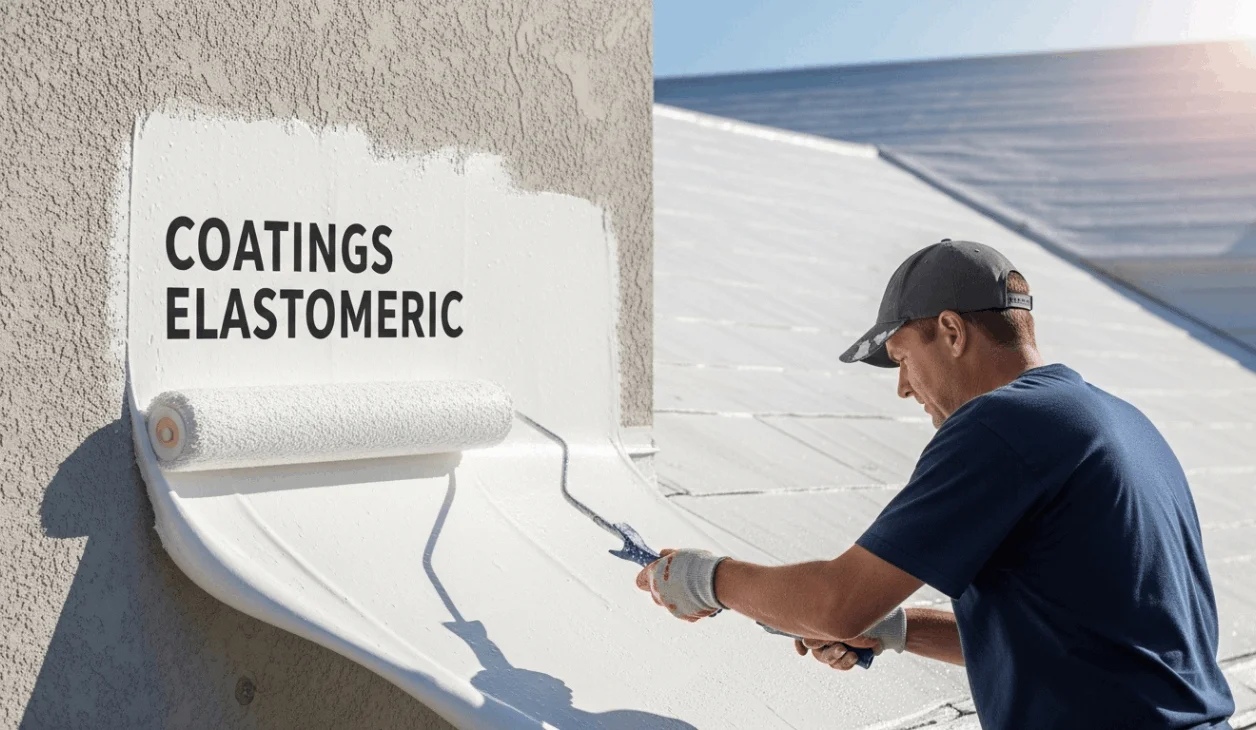
Coatings Elastomeric: Flexible, Waterproof, and Long-Lasting
When it comes to protecting buildings and structures from harsh environmental conditions, coatings elastomeric have emerged as a game-changer. These specialized coatings offer a combination of flexibility, durability, and resistance that traditional paints and coatings often lack. In this article, we explore what makes coatings elastomeric unique, their benefits, applications, and why they are increasingly preferred in modern construction.
What Are Coatings Elastomeric?
At its core, coatings elastomeric are advanced polymer-based coatings designed to stretch and contract without cracking. Unlike conventional paints, which can become brittle over time, elastomeric coatings maintain their integrity even under extreme weather conditions. This elasticity allows them to accommodate structural movement, thermal expansion, and minor surface imperfections without compromising protection.
Elastomeric coatings are usually water-based and contain high-performance resins that form a flexible yet tough membrane on the surface. This membrane acts as a barrier against moisture, UV rays, and pollutants, prolonging the life of walls, roofs, and other surfaces.
Key Benefits of Coatings Elastomeric
The growing popularity of elastic coatings can be attributed to their numerous advantages:
-
Waterproofing: One of the most significant benefits of elastomeric coatings is their exceptional water resistance. When applied correctly, they prevent water infiltration, reducing the risk of mold, mildew, and structural damage.
-
Durability: Unlike standard paints, elastomeric coatings can withstand harsh weather conditions for many years. They are resistant to cracking, peeling, and blistering, ensuring long-term protection.
-
Flexibility: The elasticity of these coatings allows them to expand and contract with the surface. This property is particularly important in regions with extreme temperature fluctuations, as it prevents surface stress and cracking.
-
UV Protection: Many coatings elastomeric contain UV-resistant components that protect surfaces from sun damage. This feature helps maintain color vibrancy and structural integrity over time.
-
Energy Efficiency: Reflective elastomeric coatings can reduce heat absorption, keeping buildings cooler and lowering energy costs. This makes them ideal for both residential and commercial applications.
-
Aesthetic Appeal: These coatings are available in various colors and finishes, providing an attractive solution without compromising functionality.
Common Applications
The versatility of elastic coatings allows them to be used across different surfaces and environments. Some of the most common applications include:
-
Exterior Walls: Elastomeric coatings are particularly effective on masonry, concrete, and stucco walls. They fill minor cracks, hide imperfections, and create a smooth, uniform surface.
-
Roofs: Flat and sloped roofs benefit from elastomeric coatings as they form a waterproof barrier and reflect sunlight, reducing heat buildup.
-
Bridges and Infrastructure: The flexibility of these coatings makes them suitable for large-scale infrastructure projects where movement and expansion are inevitable.
-
Industrial Buildings: Elastomeric coatings protect industrial facilities from corrosion, chemical exposure, and harsh weather conditions, ensuring a longer service life.
How to Choose the Right Elastomeric Coating
Selecting the right elastic coatings depends on several factors:
-
Surface Type: Different formulations are optimized for specific surfaces, such as concrete, stucco, or metal. Always choose a coating designed for the material you plan to protect.
-
Environmental Conditions: Consider local weather patterns, UV exposure, and moisture levels. Some coatings offer enhanced resistance to extreme climates or high humidity.
-
Color and Finish: Elastomeric coatings come in a variety of shades and textures. Choose a color that complements the building while maintaining functional benefits like reflectivity.
-
Thickness and Coverage: Proper application requires attention to thickness and coverage. Manufacturer guidelines should always be followed to ensure maximum performance.
-
Sustainability: Many modern elastomeric coatings are low-VOC or eco-friendly, making them a safer choice for the environment and indoor air quality.
Tips for Application
Applying elastic coatings requires careful preparation and technique to achieve optimal results:
-
Surface Preparation: Clean the surface thoroughly, removing dirt, grease, and loose particles. Repair any large cracks or structural damage before coating.
-
Priming: Use a suitable primer if recommended by the manufacturer. Primers enhance adhesion and improve the longevity of the coating.
-
Application Method: Elastomeric coatings can be applied with brushes, rollers, or spray equipment. Uniform application ensures consistent coverage and performance.
-
Multiple Coats: Often, two or more coats are necessary to achieve the desired thickness and durability. Allow sufficient drying time between coats.
-
Temperature and Weather: Avoid applying elastomeric coatings during extreme temperatures or wet conditions. Ideal conditions ensure proper curing and performance.
Maintenance and Longevity
One of the standout features of elastic coatings is their low maintenance requirements. Periodic cleaning with mild detergent and water is usually sufficient to keep surfaces looking fresh. Depending on environmental conditions, these coatings can last 10–20 years before a reapplication may be necessary.
Regular inspection for cracks or peeling ensures that minor issues are addressed promptly, extending the life of the coating and the underlying surface.
Conclusion
In the realm of protective coatings, elastic coatings stand out for their flexibility, durability, and long-lasting protection. They offer a practical solution for waterproofing, UV protection, and aesthetic enhancement across various surfaces. By understanding their benefits, applications, and proper use, homeowners, contractors, and facility managers can make informed decisions that protect investments and improve building performance.
Whether for residential walls, commercial roofs, or industrial infrastructure, elastomeric coatings provide a reliable, long-term solution that adapts to structural movement and environmental stress. With the right selection and application, these coatings ensure that surfaces remain protected, beautiful, and efficient for years to come.