
Babybelletje Guide Discover the Popular Mini Cheese Snack
What is babybelletje?
The term babybelletje combines “baby” with “belletje,” which literally means “little bell.” People use the word in multiple ways depending on the context. Its quaint and endearing connotation has made it popular in food, lifestyle, and parenting conversations.
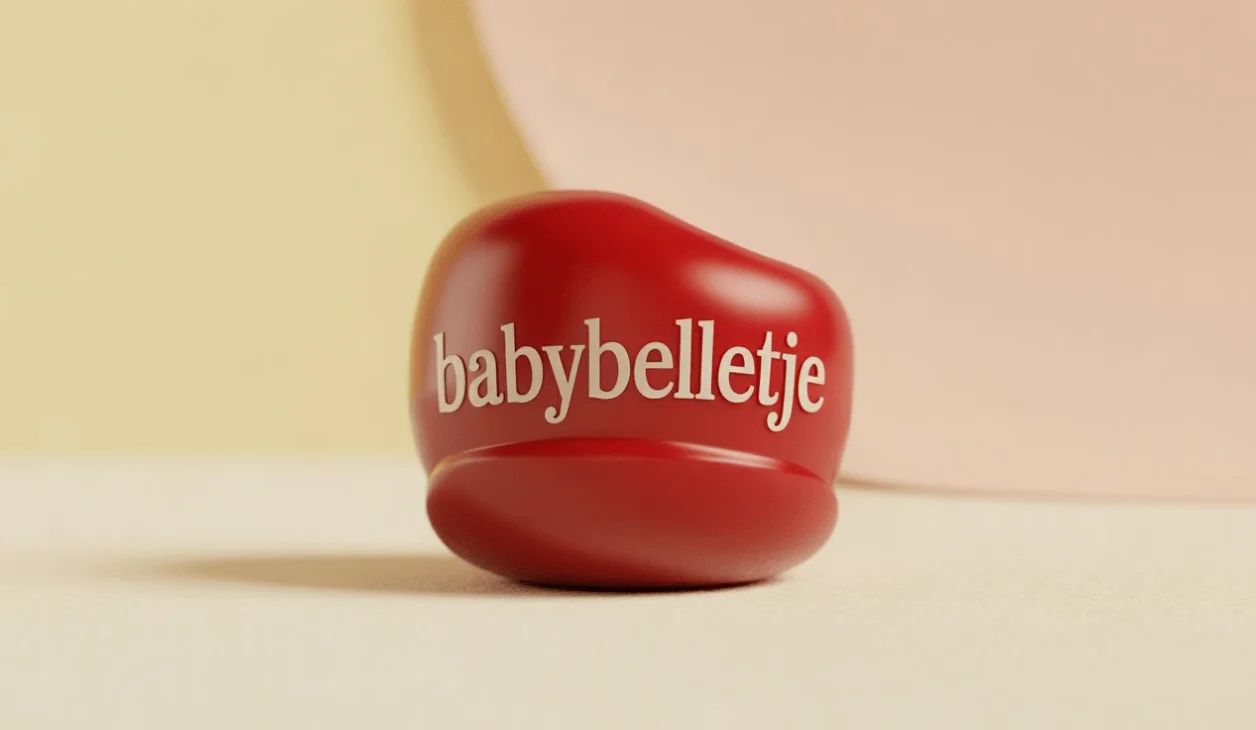
Most commonly today, babybelletje refers to the miniature wax-coated cheese produced under the Mini Babybel brand. People around the world enjoy these small, round cheeses as convenient snacks. Their playful design, creamy flavor, and portability appeal to children, adults, and families alike.
However, the term can also describe:
- A pregnancy necklace, also called a “bola,” that softly chimes to soothe an unborn baby
- A soft, pastel-inspired aesthetic used in lifestyle blogs and social media content
In this article, I will focus mainly on babybelletje as a cheese snack but will briefly touch on the other meanings for full context.
Babybelletje as the beloved mini cheese
Origins and name
The Bel Group, a French dairy company, introduced Babybel cheese in the mid-19th century. The original Edam-style Babybel cheese reached stores in 1952, and the smaller Mini Babybel launched in 1977. These bite-sized cheeses quickly became popular for their portability, hygiene, and fun packaging.
Dutch speakers added the diminutive suffix “‑tje” to create babybelletje, which translates to “little Babybel” or “little bell.” People now use this affectionate nickname widely, especially for the snack-sized cheese.
What makes it special
Babybelletje stands out for several reasons:
- Wax-coated rind: Bright red wax protects the cheese, preserves its freshness, and allows brief periods outside refrigeration.
- Portion-controlled size: Each wheel weighs about 20 grams, making it ideal for snacking, lunchboxes, or small meals.
- Mild, creamy flavor: Its semi-soft texture and mild taste appeal to many people, including those who usually avoid strong cheeses.
- Peel-and-eat ritual: Kids and adults enjoy peeling off the wax, making snacking playful and engaging.
- Versatility: You can eat babybelletjes alone, pair them with fruits and crackers, or use them in recipes.
The combination of taste, convenience, and playful design keeps babybelletje popular across generations.
Nutritional and practical aspects
Beyond taste and convenience, babybelletje provides nutritional benefits. Each mini cheese wheel contains about 60–70 calories and provides a moderate amount of protein, making it a healthy snack option.
Its individual wrapping and portion control help people avoid overeating, which suits children and adults maintaining a balanced diet. Compared with sugary or heavily processed snacks, babybelletje provides a wholesome alternative rich in calcium and protein.
The wax coating also keeps the cheese from drying out or absorbing external odors. People carry babybelletjes easily in school lunches, office bags, or picnics without worrying about freshness.
Creative ways to enjoy babybelletje
You can enjoy babybelletjes in many ways:
- On-the-go snack: Grab one for a quick bite during busy days, at work, or school.
- Lunchboxes: Pair a babybelletje with fruit, nuts, or crackers for a balanced meal.
- Cheese platters: Add mini cheeses to party platters with olives, grapes, cured meats, and nuts.
- Cooking and recipes: Melt babybelletjes on toast, pasta, or vegetables for a creamy twist. Cube them to add to salads or casseroles.
- Kid-friendly meals: Children enjoy peeling the wax themselves, encouraging independence while snacking.
These ideas show that babybelletje works well beyond being a simple snack.
Other meanings of babybelletje
While people mostly associate babybelletje with cheese, it has other cultural and lifestyle interpretations:
- Pregnancy necklace or “bola”: Expectant mothers wear small chime pendants called babybelletjes. The gentle jingling sound soothes the unborn baby and becomes familiar after birth.
- Soft aesthetic trend: On social media, people use babybelletje to describe pastel, cozy aesthetics that evoke softness, calmness, and nostalgia.
Although these alternative meanings exist, most people immediately think of the mini cheese snack when they hear babybelletje.
Why babybelletje remains popular
Babybelletje stays popular for several reasons:
- Convenience: People carry it easily in bags or lunchboxes.
- Taste: Its mild, creamy flavor appeals to many.
- Fun factor: The peelable wax makes eating engaging for children.
- Nutrition: It provides protein and calcium without excessive calories or sugar.
- Accessibility: Supermarkets and stores around the world stock it widely.
These attributes make babybelletje a timeless and reliable snack.
Conclusion
The word babybelletje captures charm, versatility, and practicality. As a miniature wax-wrapped cheese, it combines taste, convenience, and playful design for kids, adults, and families. Beyond food, it also connects to pregnancy traditions and aesthetic trends.
Whether you enjoy it as a snack, a lunchbox addition, or in creative recipes, babybelletje remains a delightful choice. Its simplicity, portability, and universal appeal ensure it continues to bring joy — a little “bell” of happiness in every bite.