Ag‑kunst‑kultur: A Fusion of Art, Community, and Culture
Ag‑kunst‑kultur is a dynamic movement that combines art, community engagement, and cultural expression into one cohesive experience. Unlike traditional forms of art confined to galleries or private collections, ag‑kunst‑kultur brings creativity directly into public spaces. By encouraging participation from diverse communities, this movement transforms ordinary environments into vibrant cultural hubs. Ag‑kunst‑kultur not only highlights artistic talent but also strengthens community bonds and fosters inclusivity, making art an integral part of everyday life.
What Is Ag‑kunst‑kultur?
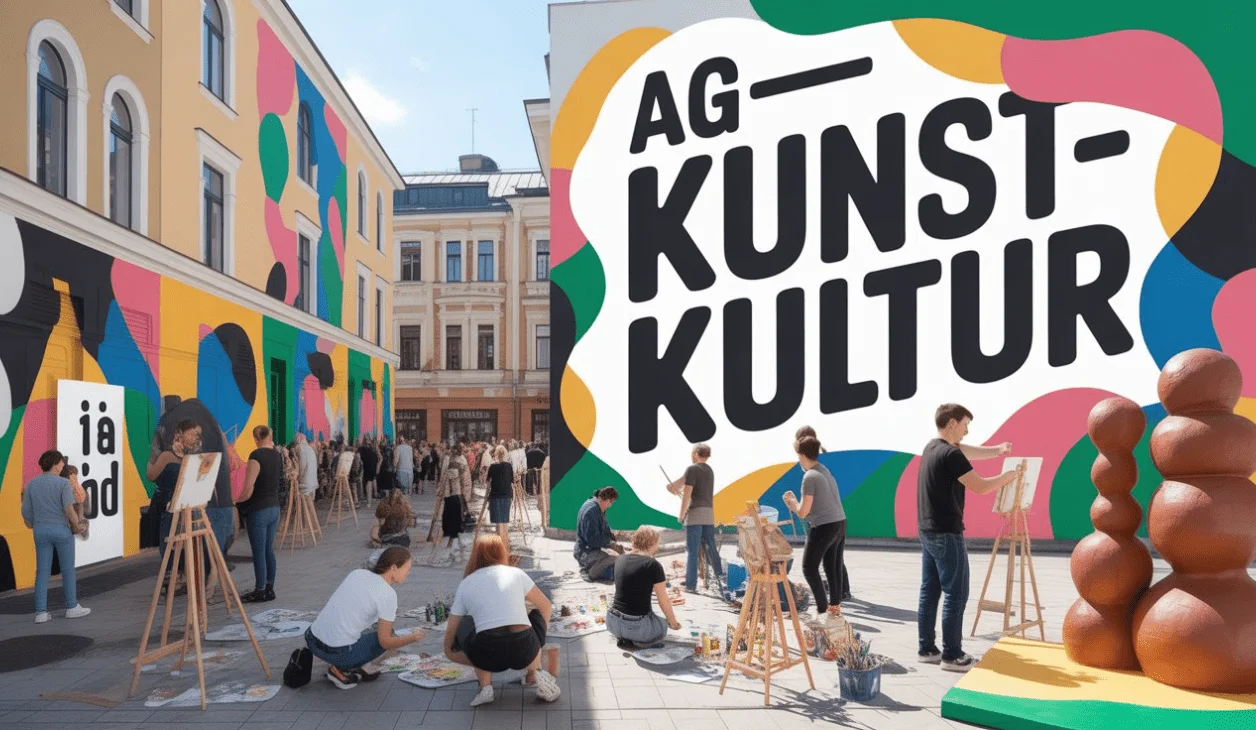
At its heart, ag‑kunst‑kultur is a philosophy that emphasizes collective creation and shared cultural experiences. The movement encourages collaboration between professional artists, local residents, and cultural enthusiasts. Whether it’s painting murals, creating sculptures, organizing performances, or hosting cultural festivals, ag‑kunst‑kultur allows communities to express their stories and identities through art.
Unlike conventional art forms, which often separate artists from audiences, ag‑kunst‑kultur invites everyone to participate. This approach turns spectators into contributors, ensuring that the creative process reflects the community’s values, heritage, and aspirations.
The Importance of Ag‑kunst‑kultur in Modern Communities
Strengthening Community Bonds
One of the primary benefits of ag‑kunst‑kultur is its ability to bring people together. Community-driven art projects create spaces for interaction, dialogue, and collaboration. For example, a neighborhood mural project not only beautifies a public area but also fosters a sense of ownership and pride among participants. By working together toward a creative goal, residents develop stronger relationships and a shared sense of purpose.
Empowering Marginalized Voices
Ag‑kunst‑kultur often serves as a platform for voices that are underrepresented in mainstream cultural spaces. Youth, immigrants, and minority groups can share their stories, perspectives, and experiences through collaborative art. This inclusivity enriches the cultural fabric of society, ensuring a more authentic and diverse representation of the community.
Revitalizing Public Spaces
Another key feature of ag‑kunst‑kultur is its ability to transform underused or neglected areas into lively, engaging public spaces. Urban streets, parks, and empty buildings can be repurposed as creative hubs through murals, interactive installations, and community exhibitions. This revitalization not only enhances the visual appeal of public areas but also encourages residents to take pride in their environment and participate in future projects.
Key Elements of Ag‑kunst‑kultur Projects
Successful ag‑kunst‑kultur initiatives share several common characteristics:
- Collaboration and Participation: Projects involve multiple contributors, fostering a sense of ownership.
- Cultural Diversity: They celebrate different traditions, artistic styles, and narratives, reflecting the community’s richness.
- Accessibility: Art is made available in public spaces to reach a broader audience.
- Social Relevance: Many projects address local history, social issues, or cultural identity, prompting reflection and dialogue.
These elements ensure that ag‑kunst‑kultur remains inclusive, meaningful, and relevant to the communities it serves.
Examples of Ag‑kunst‑kultur in Action
In urban neighborhoods, ag‑kunst‑kultur might involve murals depicting local history, interactive installations for children, or community theater performances featuring neighborhood stories. In rural areas, traditional crafts may be revitalized and reinterpreted in modern forms. Cultural fairs, pop-up exhibitions, and collaborative art workshops are all examples of ag‑kunst‑kultur at work.
For instance, a small town could host a festival where residents contribute music, paintings, or performances that reflect local heritage. These activities not only showcase creativity but also encourage teamwork, civic pride, and cultural continuity.
Benefits of Ag‑kunst‑kultur
Ag‑kunst‑kultur provides a wide range of benefits:
- Personal Growth: Participants gain confidence, develop skills, and feel a sense of accomplishment.
- Social Cohesion: Collaborative projects strengthen community relationships and promote inclusivity.
- Cultural Preservation: By merging traditional and contemporary practices, communities maintain cultural heritage while embracing innovation.
Engaging with Community Art and Culture shifts the perception of art from an individual activity to a shared community experience, fostering pride and creativity across all age groups.
Challenges in Implementing Ag‑kunst‑kultur
Despite its benefits, Community Art and Culture faces challenges such as limited funding, volunteer sustainability, and balancing diverse community opinions with artistic vision. Without proper planning and support, projects may struggle to maintain momentum. Strong partnerships with local organizations, clear communication, and long-term planning are essential to overcome these challenges.
How to Start Ag‑kunst‑kultur Projects Locally
- Organize Workshops and Meetings: Engage the community in brainstorming and planning sessions.
- Collaborate with Local Organizations: Schools, NGOs, and municipal authorities can provide resources and funding.
- Start Small: Initiate manageable projects like murals, small exhibitions, or community performances.
- Document and Share: Use social media or local media outlets to increase visibility and participation.
- Ensure Sustainability: Plan for ongoing maintenance and future projects to maintain community engagement.
Conclusion: The Impact of Ag‑kunst‑kultur
Ag‑kunst‑kultur is more than just an art movement; it is a transformative force that unites creativity, community, and culture. By revitalizing public spaces, amplifying marginalized voices, and promoting collaboration, Community Art and Culture strengthens social bonds and celebrates local identity. Whether through murals, festivals, or collaborative workshops, this movement demonstrates the power of collective creativity in shaping inclusive and culturally rich communities.
Embracing Community Art and Culture ensures that art is not only seen but also experienced, shared, and celebrated, leaving a lasting impact on communities for generations to come.