Remote Employee Management Systems: Do They Actually Work in 2026?
Your office sits wherever the Wi-Fi reaches. Kitchens, coffee shops, spare bedrooms. Remote work stopped being temporary years ago. It became the standard setup.
That shift created a blind spot. You can’t walk past desks anymore. You can’t tell if someone is deep in focus or just checked out. So companies started reaching for remote tracking tools to close the gap.
The real question isn’t whether these systems exist. It’s whether they deliver enough value to justify the cost and the friction.
Teams also got serious about raw numbers. Understanding how many hours do they work in a year changes everything from project timelines to hiring plans. No more guessing based on gut feel.
What You’re Actually Getting
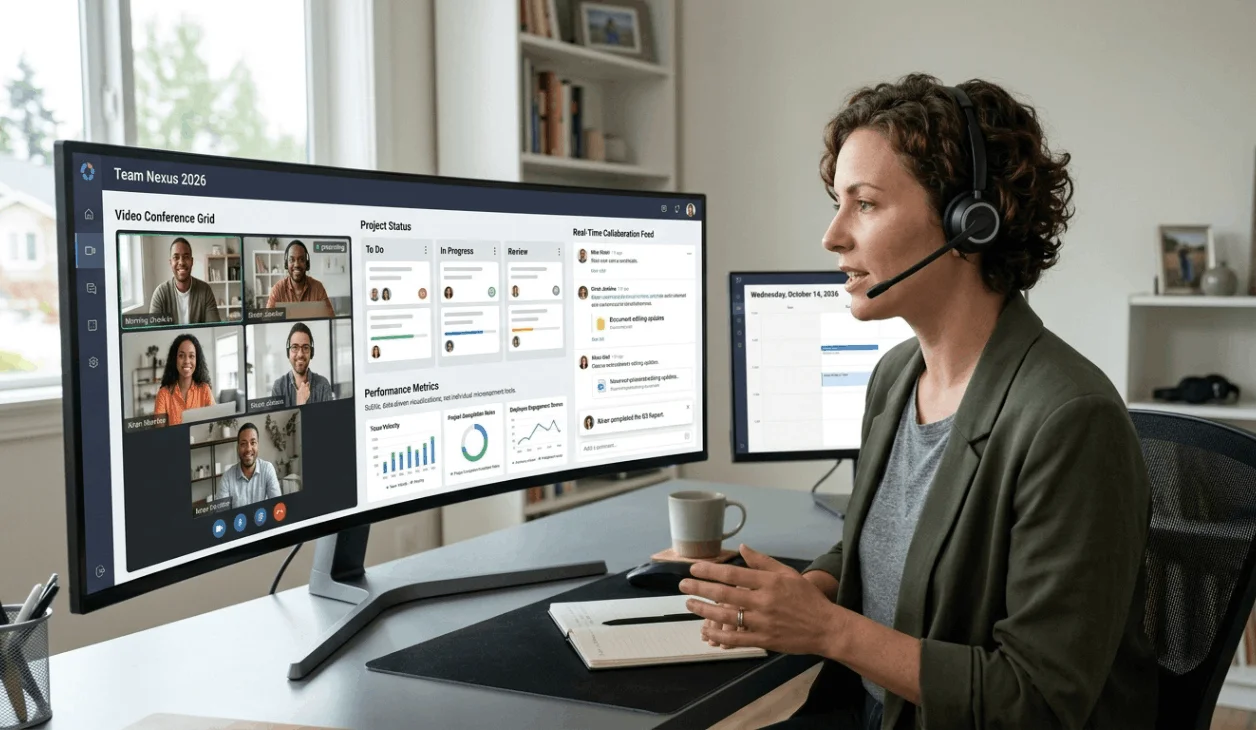
A solid remote management system logs time, captures activity patterns, tracks attendance, and spits out dashboards. You see what happened at 2 p.m. on a random Tuesday without guessing.
But good ones go beyond screenshots. They show bottlenecks in workflows. They flag projects that quietly eat weeks. They reveal who consistently delivers and who needs support.
The best setups feel less like surveillance and more like shared visibility.
Why This Matters in 2026
Remote setups cut real money. No lease. No utilities. No unused office space. You can hire talent from anywhere instead of settling for whoever lives nearby.
The downside is obvious. You lose the casual accountability of physical presence. Slack messages can hide a lot. Someone might look busy while progress stalls.
Remote tracking tools like Controlio, the ones at remote tracking, try to fill that void. They give managers data instead of doubt.
The Real Benefits
You stop flying blind on project timelines. Real data shows how long tasks actually take, not how long people estimate. That single change improves forecasting and staffing decisions.
Accountability improves quietly. When people know their contributions show up in reports, they organize better and hit deadlines more often. It’s not about catching slackers. It’s about creating clarity.
Bottlenecks surface faster. You spot which team member keeps getting blocked or which process always drags. Fixing those small issues compounds into serious productivity gains.
The Stuff That Can Go Wrong
People hate feeling watched. That reaction makes sense. If you roll out monitoring without clear communication, trust erodes fast. Be upfront about what gets tracked and why.
Micromanagement creeps in easily. Checking activity every few minutes and pinging people for slow periods turns the tool into a stress generator. The system should support better management, not replace judgment.
Security risks matter too. Home networks vary wildly. Weak tools become entry points for problems you don’t want.
Picking the Right System
Focus on a few practical things. Does it integrate with the tools your team already uses daily? Will people actually open the interface without complaining? Can it scale when you grow from 10 to 100 people?
Controlio software handles these balances well for many teams. It gives visibility without crossing into creepy territory.
The Bottom Line
In 2026 most distributed teams will need some form of visibility. Running completely blind creates unnecessary risk. You can’t fix problems you can’t see.
A good system helps when you treat it as a planning tool rather than a behavior cop. Set clear expectations. Use the data to support people instead of punish them. Communicate openly.
Done right, these tools make remote work more sustainable for everyone. They don’t replace good leadership. They just give leadership better information.
Most teams that stay remote long term end up adopting something. The difference comes down to how you use it.