Matarecycler : A Modern Approach to Sustainable Waste Management
In today’s rapidly evolving world, sustainability has become more than just a trend—it is a necessity. As environmental awareness grows, individuals and organizations are seeking innovative ways to reduce waste and protect natural resources. One emerging concept that has gained attention in recent discussions about eco-friendly solutions is matarecycler. This idea reflects a new perspective on recycling, emphasizing smarter waste processing, resource recovery, and long-term environmental benefits.
Understanding how matarecycler works can help people adopt more responsible habits while supporting a cleaner planet. Moreover, this approach encourages communities to rethink the value of materials that are often discarded without a second thought.
Understanding the Concept of Matarecycler
At its core, matarecycler represents a system or philosophy that focuses on efficient recycling methods and sustainable material management. Instead of simply collecting waste and processing it in traditional recycling facilities, the matarecycler concept promotes advanced strategies that maximize the reuse of materials.
For example, many conventional recycling programs only process limited types of materials, such as paper, glass, or certain plastics. However, a matarecycler approach often emphasizes broader recovery techniques. These methods may include sorting technologies, improved recycling processes, and innovative ways to repurpose waste.
As a result, more materials can be returned to the production cycle rather than ending up in landfills.
Why Sustainable Recycling Matters
Environmental challenges such as pollution, landfill overflow, and resource depletion have become major global concerns. Consequently, modern waste management strategies must evolve. This is where matarecycler plays an important role.
Firstly, effective recycling reduces the amount of waste sent to landfills. Landfills not only consume large areas of land but also release harmful gases that contribute to climate change. Secondly, recycling conserves natural resources. When materials like metals, plastics, and paper are reused, fewer raw materials need to be extracted from the environment.
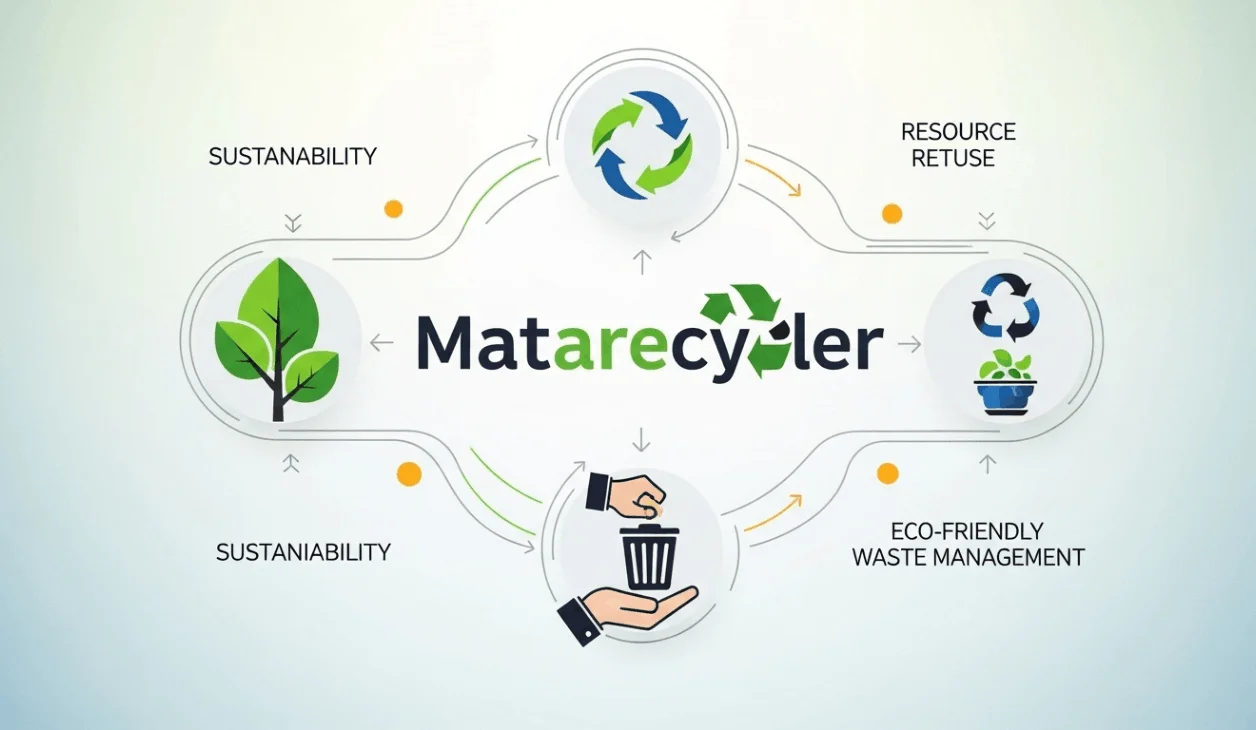
Furthermore, the matarecycler philosophy supports the circular economy. In a circular system, products and materials are continuously reused, refurbished, or recycled instead of being discarded after a single use. Therefore, waste becomes a resource rather than a problem.
Key Features of the Matarecycler Approach
The matarecycler model incorporates several essential features that distinguish it from traditional recycling systems.
1. Advanced Material Sorting
One of the biggest challenges in recycling is separating different types of materials efficiently. The matarecycler approach often uses improved sorting methods, such as automated sensors or intelligent sorting systems. These technologies help identify plastics, metals, and other materials quickly and accurately.
As a result, recycling facilities can process waste more effectively and recover a larger percentage of usable resources.
2. Emphasis on Reuse
Another important aspect of matarecycler systems is the focus on reuse before recycling. Many products can be repaired, refurbished, or repurposed instead of being broken down into raw materials. This not only saves energy but also extends the life cycle of products.
For instance, electronic devices or furniture may be refurbished and returned to the market rather than being discarded.
3. Community Involvement
Successful recycling initiatives depend heavily on public participation. The matarecycler concept encourages communities to play an active role in waste reduction. This may include better waste separation at home, educational campaigns, and local recycling programs.
Consequently, when individuals understand how their actions impact the environment, they are more likely to adopt sustainable habits.
4. Resource Efficiency
Another benefit of the matarecycler model is its focus on maximizing resource efficiency. By recovering valuable materials from waste streams, industries can reduce production costs and environmental impact simultaneously.
For example, recycled metals require significantly less energy to process compared to newly mined materials. Therefore, improving recycling systems can also contribute to economic sustainability.
Benefits of Implementing Matarecycler Systems
Adopting a matarecycler strategy offers several advantages for both the environment and society.
Environmental Protection
The most obvious benefit is reduced environmental damage. Recycling lowers pollution levels, conserves natural habitats, and decreases the demand for raw material extraction. Over time, these changes can significantly improve ecological balance.
Economic Opportunities
In addition to environmental benefits, recycling industries create new jobs. The matarecycler ecosystem can generate employment in areas such as waste collection, sorting technology, recycling operations, and product refurbishment.
Consequently, sustainable waste management can also stimulate economic growth.
Reduced Energy Consumption
Manufacturing products from recycled materials usually requires less energy compared to producing them from raw resources. Therefore, widespread adoption of matarecycler principles could lead to significant energy savings across multiple industries.
Improved Urban Cleanliness
Cities that invest in modern recycling programs often experience cleaner environments. Efficient waste management reduces litter, prevents illegal dumping, and improves public health conditions.
As a result, communities benefit from both environmental and social improvements.
Challenges and Future Potential
Although the matarecycler approach offers many advantages, it also faces certain challenges. For instance, implementing advanced recycling systems requires financial investment and technological infrastructure. Additionally, public awareness and participation remain essential for success.
However, as technology continues to evolve, recycling processes are becoming more efficient and cost-effective. Governments, businesses, and environmental organizations are increasingly recognizing the importance of sustainable waste management.
Looking ahead, the matarecycler concept has the potential to play a significant role in shaping the future of environmental protection. By combining innovation, community engagement, and responsible consumption, societies can move closer to a truly sustainable system.
Conclusion
In conclusion, matarecycler represents a forward-thinking approach to recycling and waste management. Rather than viewing waste as a problem, this concept encourages people to see it as a valuable resource that can be reused and transformed.
Through improved recycling technologies, community participation, and resource efficiency, the matarecycler model can help reduce environmental impact while supporting economic growth. Most importantly, it highlights the importance of responsible consumption and sustainable living.
As awareness continues to grow, embracing ideas like matarecycler could become a key step toward creating a cleaner, greener, and more sustainable future for generations to come.