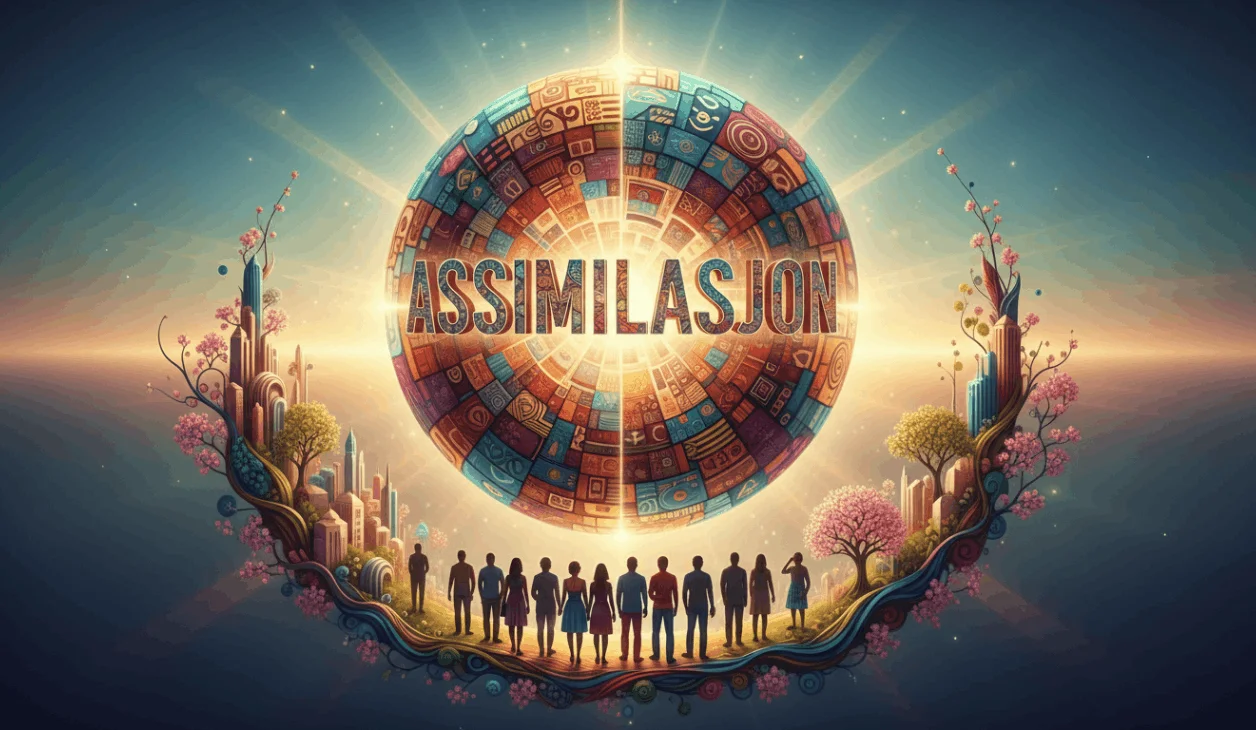
Assimilasjon Shapes Identity And Inclusion In Modern Societies
In today’s interconnected world, the concept of assimilasjon plays a crucial role in shaping societies. The term, derived from the Norwegian word for assimilation, broadly refers to the process by which individuals or groups adopt the cultural traits, language, and social norms of another dominant society. Understanding assimilasjon is essential for policymakers, educators, and social scientists, as it impacts community cohesion, identity, and social mobility.
The Meaning of Assimilasjon
At its core, assimilasjon is about integration and adaptation. When individuals migrate to a new country or interact with different cultural groups, they encounter a variety of traditions, behaviors, and languages. Through assimilasjon, they gradually learn and incorporate these elements into their own lives. This process can be voluntary or influenced by social pressure, policies, or economic necessity.
Unlike simple adaptation, assimilasjon often involves a deeper transformation. For example, immigrants may retain aspects of their original culture while simultaneously adopting new cultural practices to fit in. This dual identity reflects the complexity of Cultural Integration, where cultural blending can result in both enrichment and challenges.
The Importance of Assimilasjon in Society
The significance of assimilasjon extends beyond individual experiences. On a societal level, it fosters social cohesion by reducing cultural friction and promoting shared values. Communities that successfully embrace assimilasjon often experience increased cooperation, reduced prejudice, and stronger social networks.
Moreover, assimilasjon can enhance economic opportunities. Individuals who effectively integrate into a new society gain access to education, employment, and social services more efficiently. Consequently, their ability to contribute to the broader community improves, benefiting both the individuals and society as a whole.
Factors Influencing Assimilasjon
Several factors shape the process of Cultural Integration. Language proficiency is perhaps the most critical element. Mastering the dominant language enables communication, learning, and participation in social activities, which accelerates cultural integration.
Cultural openness is another significant factor. Societies that are receptive to diversity facilitate smoother Cultural Integration, while communities with rigid social norms may create barriers. Additionally, government policies, including immigration laws, social support programs, and educational initiatives, play a pivotal role in guiding assimilation.
Social interactions, such as friendships, workplace relationships, and community engagement, also influence Cultural Integration. Individuals who actively participate in local networks are more likely to adopt and internalize cultural norms, making the integration process more natural and enduring.
Challenges Associated with Assimilasjon
While assimilasjon can lead to positive outcomes, it also presents challenges. One major concern is the potential loss of original cultural identity. Individuals may feel pressured to abandon traditional customs, language, or beliefs to fit in, leading to a sense of cultural displacement.
Additionally, not all members of society are equally accepting of newcomers. Discrimination, xenophobia, or social exclusion can hinder Cultural Integration, causing frustration, social tension, and psychological stress. Balancing the adoption of new cultural traits with the preservation of heritage is a delicate process that requires careful consideration and support.
Strategies to Promote Successful Assimilasjon
To foster effective assimilasjon, both individuals and society must actively participate. On a personal level, embracing openness, curiosity, and respect for the new culture enhances the integration experience. Learning the local language, understanding social norms, and participating in community events are practical steps that support assimilation.
Communities, on the other hand, can encourage Cultural Integration by promoting inclusivity, creating educational opportunities, and offering social programs that assist newcomers. Schools, workplaces, and public institutions can act as platforms for cultural exchange, bridging gaps between diverse groups.
Policy measures also play a crucial role. Governments can implement initiatives that support language learning, vocational training, and multicultural engagement. By doing so, they facilitate smoother Cultural Integration while also respecting the value of cultural diversity.
Assimilasjon in a Globalized World
In an era of globalization, assimilasjon is more relevant than ever. Migration, international trade, and digital communication have brought diverse populations into closer contact. As a result, the ability to understand, adapt, and integrate across cultures is a vital skill for both individuals and societies.
Furthermore, Cultural Integration is not a one-way process. While newcomers integrate into existing cultural frameworks, host societies also evolve through exposure to new ideas, traditions, and perspectives. This mutual influence fosters cultural enrichment and innovation, highlighting the dynamic nature of Cultural Integration.
Conclusion
Understanding assimilasjon is essential for fostering harmonious and inclusive societies. It goes beyond mere adaptation; it is a complex process that affects identity, social cohesion, and economic opportunity. By recognizing the factors that influence assimilation, addressing the associated challenges, and implementing supportive strategies, societies can ensure that Cultural Integration benefits both individuals and communities.
Ultimately, assimilasjon is a journey of learning, adaptation, and mutual respect. As societies continue to diversify, embracing this process will be crucial for building stronger, more resilient communities worldwide.