Timewarp Taskus: Transforming Task Tracking and Team Collaboration
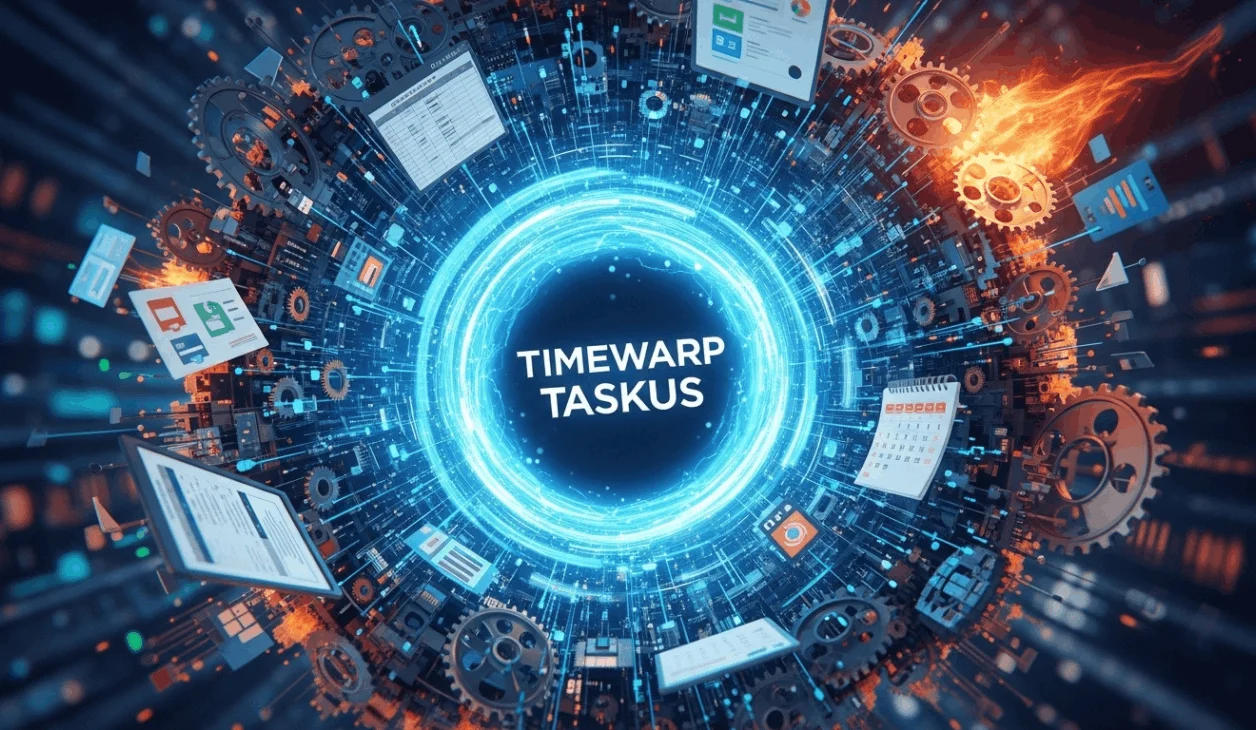
In today’s fast-paced digital environment, businesses constantly seek innovative ways to enhance productivity and streamline operations. Timewarp Taskus has emerged as a powerful concept that blends smart automation, intelligent tracking, and seamless workflow management into one cohesive strategy. As organizations face increasing pressure to deliver faster and more efficiently, timewarp taskus offers a structured approach to managing tasks, teams, and timelines without unnecessary complexity.
Understanding Timewarp Taskus
At its core, timewarp taskus represents a productivity-focused system designed to eliminate inefficiencies. Rather than relying on outdated manual processes, this approach integrates automation tools, real-time data insights, and collaborative platforms. As a result, businesses can identify bottlenecks quickly and implement corrective actions before minor delays become major setbacks.
Moreover, timewarp taskus emphasizes clarity in communication. When teams have access to transparent dashboards and real-time performance metrics, they are better equipped to prioritize tasks effectively. Consequently, projects move forward with fewer misunderstandings and reduced duplication of effort.
Why Businesses Need Timewarp Taskus
The modern workplace has transformed dramatically over the past decade. Remote work, hybrid teams, and global collaborations have become standard practices. Therefore, companies must adapt their operational strategies to maintain consistency and performance.
Timewarp taskus addresses this challenge by offering centralized task management. Instead of juggling multiple disconnected systems, teams can work within a unified structure. Furthermore, automation reduces repetitive tasks, allowing employees to focus on high-value activities. This shift not only improves productivity but also enhances job satisfaction.
In addition, organizations that implement timewarp taskus often notice improved accountability. Clear task assignments, deadline tracking, and performance reporting create a culture of responsibility. As a result, both managers and team members gain better visibility into ongoing projects.
Key Features That Drive Efficiency
One of the most significant advantages of timewarp taskus lies in its feature set. Although specific implementations may vary, the core elements generally include:
1. Smart Automation
Automation plays a crucial role in eliminating repetitive processes. For example, automatic notifications, task reminders, and status updates reduce the need for manual follow-ups. Consequently, teams save valuable time while maintaining consistent progress.
2. Real-Time Tracking
Real-time monitoring allows managers to evaluate project performance instantly. Instead of waiting for weekly reports, stakeholders can access live data dashboards. Therefore, decision-making becomes more agile and informed.
3. Seamless Collaboration
Effective collaboration is essential for success. Timewarp taskus typically integrates messaging systems, file sharing, and shared workspaces. As a result, teams can communicate and collaborate without switching between multiple platforms.
4. Performance Analytics
Data-driven insights help organizations refine their strategies. With built-in analytics, Task Optimizer provides detailed reports on productivity trends, task completion rates, and resource allocation. Consequently, businesses can optimize workflows continuously.
Benefits of Implementing Timewarp Taskus
Transitioning to a more structured workflow system can seem challenging at first. However, the long-term benefits far outweigh the initial effort.
First and foremost, Task Optimizer enhances operational transparency. When everyone understands their responsibilities and deadlines, confusion decreases significantly. Furthermore, the automation of routine tasks minimizes human error.
Another notable benefit is scalability. As businesses grow, managing complex workflows becomes increasingly difficult. Nevertheless, Task Optimizer offers flexible frameworks that adapt to expanding teams and evolving projects. Therefore, companies can maintain efficiency even during periods of rapid growth.
Additionally, improved time management is a direct outcome. With clearer scheduling and automated prioritization, teams spend less time deciding what to do next and more time executing tasks effectively.
How Timewarp Taskus Improves Team Productivity
Productivity is not just about working harder; it is about working smarter. Task Optimizer encourages strategic task allocation and intelligent scheduling. For instance, by analyzing workload distribution, managers can prevent burnout and ensure balanced assignments.
Moreover, real-time feedback mechanisms enable employees to track their own progress. When individuals can see measurable results, motivation increases naturally. Consequently, the overall performance of the organization improves.
It is also worth noting that streamlined workflows reduce stress. When processes are organized and transparent, employees feel more confident in their roles. Therefore, workplace morale improves alongside productivity metrics.
Practical Steps to Integrate Timewarp Taskus
Adopting timewarp taskus requires thoughtful planning. However, the transition can be smooth when approached strategically.
First, assess your current workflow processes. Identify inefficiencies, communication gaps, and repetitive tasks. Next, determine which automation tools and collaboration systems align best with your organizational goals.
After selecting the appropriate framework, provide training sessions for employees. Clear guidance ensures that everyone understands how to use the system effectively. Furthermore, encourage feedback during the initial implementation phase. This approach helps refine the process and address potential challenges early.
Finally, monitor performance metrics consistently. Continuous evaluation allows organizations to maximize the potential of timewarp taskus while adapting to new demands.
The Future of Workflow Innovation
As technology continues to evolve, workflow optimization will remain a top priority for businesses worldwide. Artificial intelligence, machine learning, and predictive analytics are increasingly integrated into productivity systems. Therefore, timewarp taskus is not merely a temporary trend but a forward-thinking strategy.
Looking ahead, organizations that embrace structured automation and real-time insights will likely outperform competitors relying on traditional methods. In addition, the flexibility offered by timewarp taskus ensures long-term adaptability in a rapidly changing business landscape.
Conclusion
In conclusion, timewarp taskus represents a comprehensive solution for modern workflow management. By combining automation, real-time tracking, collaboration tools, and data analytics, it empowers organizations to operate more efficiently and strategically. Moreover, it fosters accountability, enhances productivity, and supports scalable growth.
As businesses navigate complex operational challenges, adopting timewarp taskus can provide a competitive advantage. Ultimately, success in today’s digital world depends on intelligent systems that transform how teams manage time, tasks, and performance.