
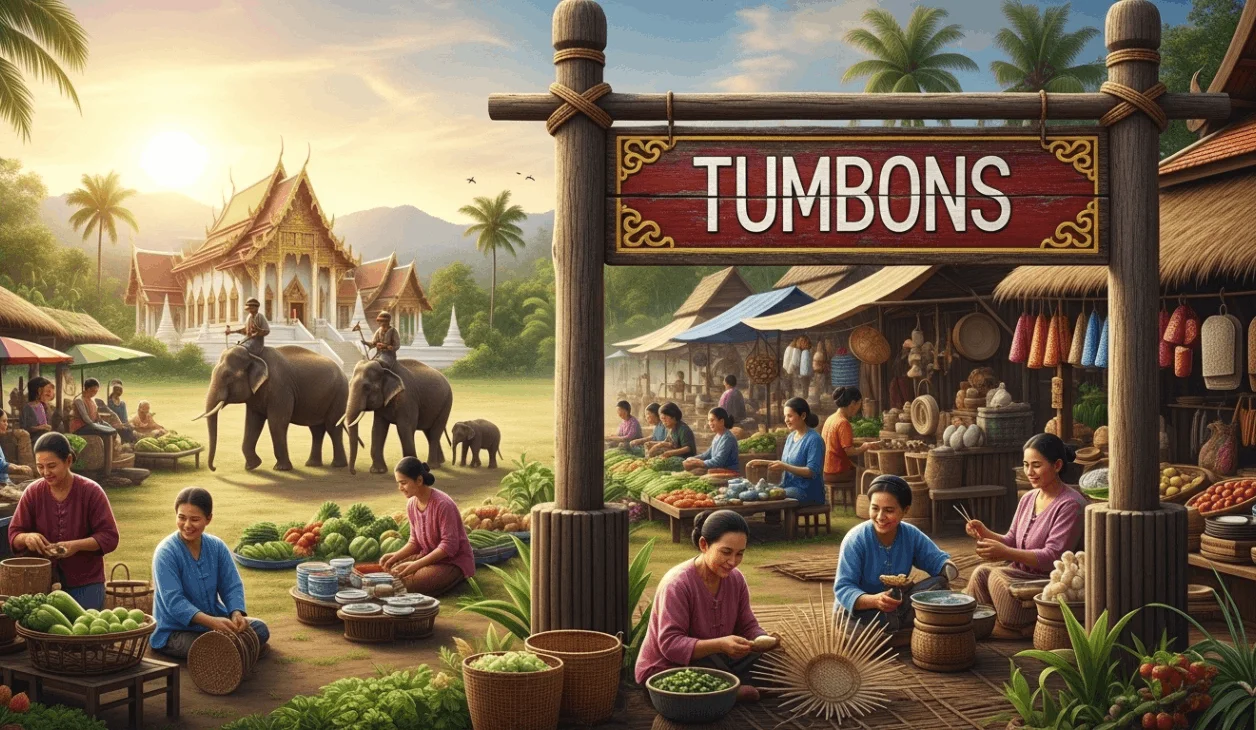
Tumbons Guide Travelers Through Authentic Thai Communities and Traditions
When traveling through Thailand, many visitors are familiar with provinces and districts, but few understand the significance of tumbons. These administrative units play a crucial role in local governance, cultural preservation, and community development. In this article, we’ll explore what tumbons are, how they function, and why they are an essential part of Thailand’s administrative framework.
What Are Tumbons?
A tumbon is the Thai term for a sub-district, which is a subdivision of an amphoe, or district. Thailand’s administrative hierarchy follows a structured pattern: provinces (changwat), districts (amphoe), and then tumbons. Each tumbon typically comprises multiple villages, called mubans, creating a well-organized community unit that facilitates governance, development, and public services.
Understanding tumbons is vital for travelers, researchers, and anyone interested in Thailand’s local administration because they reveal how rural and urban areas are organized at the grassroots level. Moreover, knowing about tumbons can enhance your travel experience, as these areas often host traditional markets, local festivals, and community activities.
Administrative Structure of Tumbons
Each tumbon is administered by a Tambon Administrative Organization (TAO), which oversees local infrastructure, education, sanitation, and community welfare. The TAO operates under the guidance of district officials but retains a degree of autonomy to address local needs effectively.
The leadership in a tumbon consists of an elected head and council members who represent the villages within the sub-district. This system ensures that development projects, such as road construction or water supply improvements, reflect the needs of the local population. Additionally, TAOs manage public budgets, allocate resources, and coordinate with provincial authorities to maintain social services.
Cultural Significance of Tumbons
Beyond administrative functions, tumbons are cultural hubs. Many traditional Thai festivals, religious ceremonies, and communal events take place within the sub-districts. For instance, a tumbon may host annual temple fairs, local markets, or cultural performances that preserve Thailand’s rich heritage.
Visiting a tumbon can provide travelers with authentic cultural experiences. Unlike major cities, these sub-districts offer an opportunity to interact with local residents, sample regional cuisine, and witness traditional craftsmanship. In many ways, tumbons are the heartbeat of Thailand’s rural communities, sustaining cultural practices while supporting modern development.
Economic Role of Tumbons
The economic contributions of tumbons are significant. Local agriculture, handicrafts, and small businesses thrive under the support of TAOs and community structures. Rice paddies, orchards, and artisanal workshops are common sights, contributing to Thailand’s overall economic diversity.
Additionally, some tumbons have become tourist attractions due to their natural beauty or cultural offerings. Eco-tourism initiatives, homestay programs, and community-based tourism projects are increasingly popular, providing income to residents and preserving local traditions. This combination of economic and cultural development underscores the importance of tumbons in Thailand’s broader growth strategy.
Tumbons and Local Governance
One of the key advantages of the tumbon system is its proximity to the people it serves. Unlike higher administrative levels, tumbons enable direct communication between citizens and their elected representatives. This facilitates quick decision-making and helps address issues such as road maintenance, waste management, or educational needs efficiently.
Moreover, the participatory nature of tumbon governance fosters community engagement. Villagers often contribute ideas for development projects, volunteer in communal activities, and participate in local elections. As a result, tumbons not only provide administrative services but also empower residents to take ownership of their community’s growth.
How Tumbons Enhance Travel Experiences
For travelers seeking to explore Thailand beyond the tourist hotspots, tumbons offer a window into authentic local life. These sub-districts allow visitors to see everyday Thai culture, from bustling village markets to serene temple grounds. Additionally, some tumbons are located near natural attractions such as waterfalls, national parks, or scenic countryside landscapes, providing excellent opportunities for eco-tourism and outdoor adventures.
To make the most of a visit, it is recommended to engage with local guides or participate in community tourism initiatives. This not only supports the local economy but also provides an insider’s perspective on life in a tumbon, offering experiences that are both meaningful and memorable.
Challenges Facing Tumbons
Despite their importance, tumbons face several challenges. Urban migration, limited budgets, and environmental concerns can strain local resources. In addition, rapid modernization sometimes threatens traditional practices, making it crucial for TAOs to balance development with cultural preservation.
Fortunately, government programs and NGOs are increasingly involved in supporting sustainable development in tumbons. Efforts include improving infrastructure, promoting eco-tourism, and providing training for local entrepreneurs. These initiatives aim to ensure that Local Thai communities remain vibrant, self-sufficient, and culturally rich communities.
Conclusion
In summary, tumbons are more than just administrative units—they are vibrant communities that preserve Thailand’s cultural heritage, support local economies, and empower residents through participatory governance. From a traveler’s perspective, exploring a Local Thai communities offers a unique glimpse into authentic Thai life, complete with local markets, festivals, and natural beauty.
Understanding Local Thai communities not only enriches your knowledge of Thailand’s administrative system but also highlights the significance of grassroots development in maintaining the nation’s social and cultural fabric. Whether you are a traveler, researcher, or policy enthusiast, appreciating the role of Local Thai communities adds depth to your understanding of Thailand’s diverse communities.
By recognizing the value of tumbons, we can see how local governance, culture, and economy intertwine to create thriving sub-districts that contribute meaningfully to the broader Thai society.