
Foenegriek : A Timeless Herb with Modern Health Benefits
Foenegriek, known globally for its rich aroma and therapeutic value, is a powerful herb that has been used for centuries in traditional medicine and cooking. Originating from the Mediterranean region and South Asia, this versatile plant has steadily gained attention in modern wellness circles. Today, it is appreciated not only for its culinary appeal but also for its impressive nutritional profile and health-supporting properties.
What Is Foenegriek?
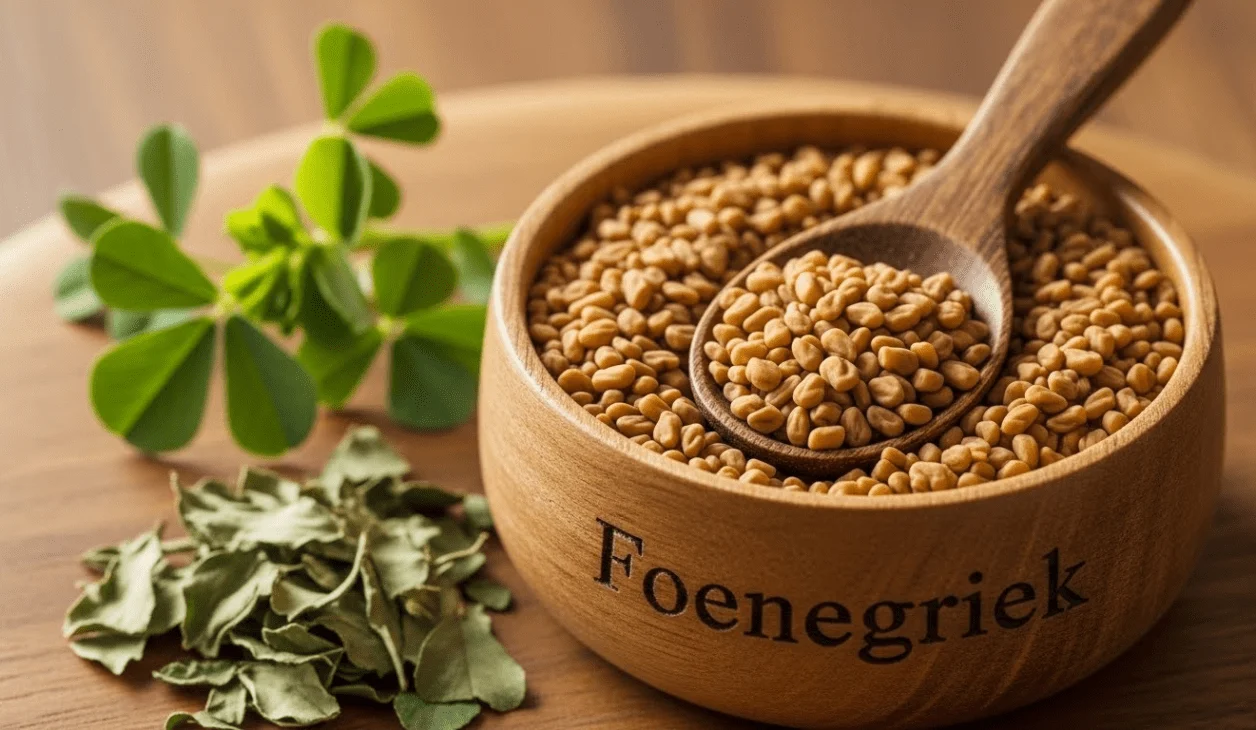
Foenegriek is a flowering plant whose seeds and leaves are widely used in cooking, herbal remedies, and natural supplements. The seeds are small, golden-brown, and slightly bitter, while the leaves are often used fresh or dried in various dishes. Historically, ancient Egyptians, Greeks, and Romans valued this herb for both medicinal and practical purposes. Over time, its use spread across cultures, adapting to different cuisines and healing traditions.
Nutritional Value and Active Compounds
One of the main reasons foenegriek stands out is its dense nutritional composition. It contains essential vitamins such as vitamin B6 and minerals like iron, magnesium, and manganese. Additionally, it is rich in dietary fiber and plant-based protein. More importantly, the herb includes bioactive compounds such as saponins and flavonoids, which contribute to its health-promoting effects. As a result, it supports overall wellness while fitting easily into a balanced diet.
Health Benefits Backed by Tradition and Science
For generations, foenegriek has been used to support digestion, metabolism, and general vitality. Traditionally, it was consumed to soothe stomach discomfort and improve appetite. Modern research, however, has begun to validate many of these uses.
Firstly, it is often associated with blood sugar management. Due to its high soluble fiber content, it may help slow carbohydrate absorption. Consequently, this can support more stable energy levels throughout the day. Secondly, it is commonly used to aid digestive health by promoting smoother digestion and reducing bloating.
Furthermore, foenegriek is frequently linked to hormonal balance. In various cultures, it has been used to support lactation and overall reproductive health. While individual results vary, its long-standing reputation highlights its importance in herbal traditions.
Role in Culinary Traditions
Beyond health, foenegriek plays a vital role in cooking across many regions. In Indian, Middle Eastern, and North African cuisines, its seeds are often toasted to enhance flavor before being added to spice blends. The leaves, on the other hand, bring a slightly sweet, earthy taste to curries and stews.
Moreover, this herb adds depth to vegetarian and meat-based dishes alike. Because of its strong flavor, only small amounts are needed, making it both economical and impactful. As global interest in plant-based cooking grows, foenegriek continues to find new culinary applications.
Foenegriek in Modern Wellness
In recent years, the wellness industry has embraced foenegriek as a natural supplement. It is commonly available in capsule, powder, and tea forms. Many people prefer herbal solutions as part of a holistic lifestyle, and this herb fits well into that approach.
Additionally, it is often included in skincare and hair care products. Thanks to its antioxidant properties, it may help support healthy skin and stronger hair when used consistently. Therefore, its applications extend far beyond the kitchen.
How to Use It Safely
Although foenegriek is generally considered safe when consumed in moderate amounts, balance is key. Excessive intake may cause digestive discomfort for some individuals. Thus, it is advisable to start with small quantities, especially when using supplements.
Pregnant individuals or those with existing medical conditions should consult a healthcare professional before adding it to their routine. By doing so, they can ensure safe and effective use while enjoying its potential benefits.
Sustainability and Cultural Importance
Another important aspect of foenegriek is its sustainability. The plant is relatively easy to grow and adapts well to various climates. This makes it a valuable crop for small-scale farmers and home gardeners alike. Furthermore, its cultural significance remains strong, as it continues to be passed down through generations in recipes and remedies.
As people increasingly seek natural and sustainable options, traditional herbs like this one are regaining recognition. Consequently, they bridge the gap between ancient knowledge and modern lifestyles.
Final Thoughts
Foenegriek is much more than a simple herb. It represents a blend of tradition, nutrition, and versatility that few plants can match. Whether used to enhance flavor, support wellness, or maintain cultural practices, it holds a unique place in both history and contemporary living.
By incorporating it mindfully into daily routines, individuals can appreciate its benefits while honoring its rich heritage. Ultimately, foenegriek stands as a timeless example of how nature continues to support human health and culinary creativity.